Editorial Mission
Our philosophy of travel storytelling — why we choose fictionalized names, narrative depth, and creative independence over standardized tourism labels.
A note from the editors on why this travel blog reads the way it does.
Travel Guides Egypt was founded on a simple premise: that travel is an act of imagination as much as an act of movement.
In a landscape of standardized reviews and overcrowded landmarks, we chose a different path. Our editorial mission is to provide inspiration that goes beyond the surface, using fictionalized names to protect the creative integrity of our guides and to encourage readers to see these places with fresh eyes.
This travel blog is a commitment to quality, depth, and the belief that to truly discover Egypt, one must be willing to step outside the traditional tourism narrative. We are based in Zamalek, Cairo, and we write for the traveler who wants more than a checklist — the traveler who wants to understand the atmosphere of a place, the texture of its stone, and the rhythm of its daily life.
We are an independent entity, not a booking platform. We do not accept payment for rankings. What follows on this page is a full accounting of how we work, what we owe you, and what you can expect from every guide we publish.
Why Fictional Names?
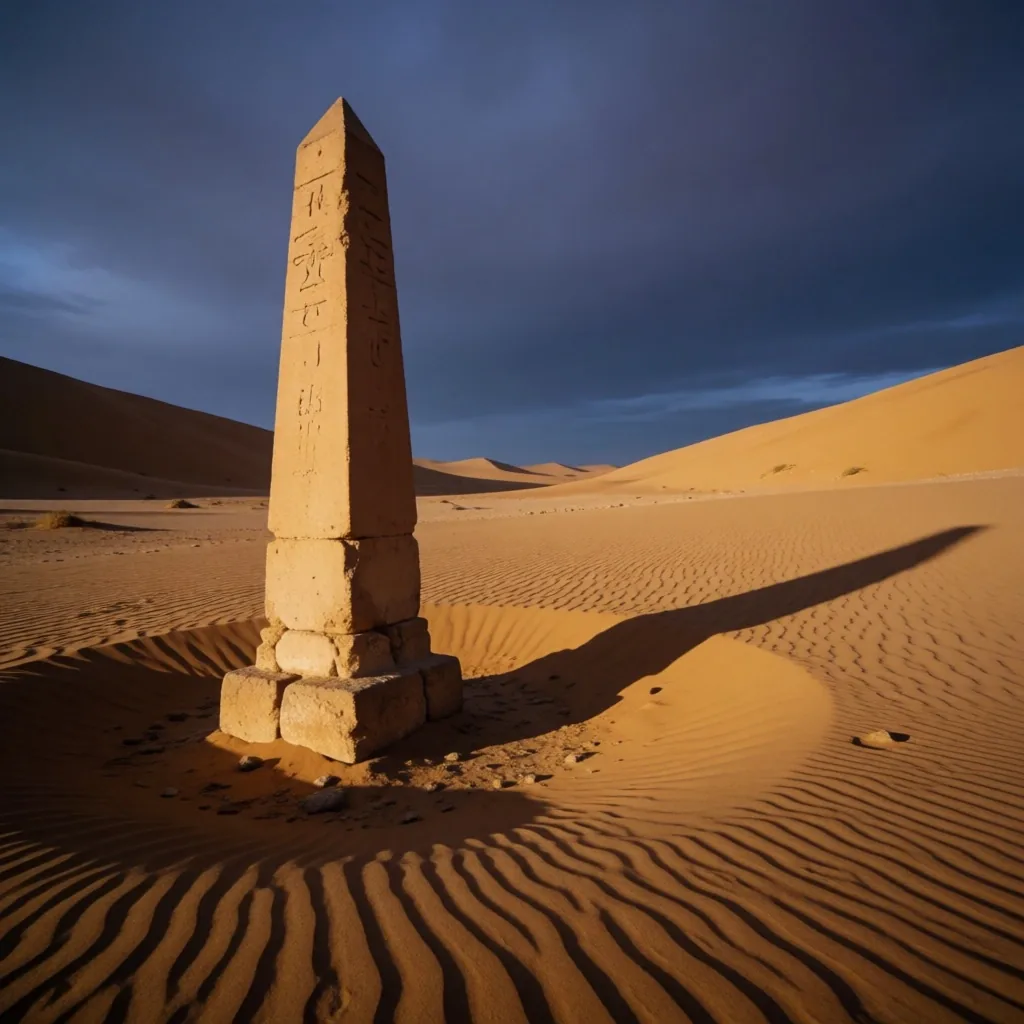
You may notice that we do not use official government names for the sites we describe. This is a deliberate choice. By referring to the Sands of Eternity instead of a specific coordinate, we allow the reader to focus on the experience of the location — the scale, the history, and the atmosphere.
When you read about the Glass Pillars or the Whispering Sands, the name itself becomes part of the journey. It frees our writers from the constraints of commercial reporting and allows us to provide travel guides for Egypt that are works of narrative art rather than standardized catalog entries.
The fictional name also protects the places we love. A location that remains unnamed in official terms is a location that cannot be overrun by a single viral post. We would rather describe the feeling of standing in a colonnade at dawn than tell you exactly which colonnade to stand in.
Our Commitment to Accuracy
While our names are fictionalized, our facts are not. We hold ourselves to the accuracy of our logistical advice, our historical context, and our environmental reporting.
Every Egyptian travel guide on this site is based on real-world experience and extensive research. We walk the routes we describe. We talk to the people who live along them. We verify seasonal conditions, transit options, and weather patterns before we publish a word.
Creative storytelling and practical utility are not mutually exclusive; they enhance each other. A guide that is beautiful but misleading is useless. A guide that is accurate but lifeless is forgettable. We aim for the guide you remember and trust.
The Value of Independence
Travel Guides Egypt is an independent entity. We do not accept payment for rankings, and we are not a booking platform. Our loyalty is to the reader and the integrity of the travel experience.
This independence allows us to be honest about the challenges of travel into Egypt — from the heat of the desert to the complexity of local bureaucracy. We tell it like it is, so you can plan accordingly. If a route is unreliable in summer, we say so. If a region requires permits we cannot arrange for you, we explain the process honestly.
We are not affiliated with any hotel chain, tour operator, or government tourism body. The opinions in our guides are ours. The mistakes, when they happen, are also ours — and we correct them publicly.
Respect for the Land and Culture
Our editorial voice is one of respect. We recognize that we are guests in a country with a history that spans thousands of years. Our guides emphasize cultural sensitivity, environmental stewardship, and the support of local economies.
When we talk about how to discover Egypt, we are talking about a two-way exchange that leaves both the traveler and the host better for the interaction. That means dressing appropriately at religious sites, asking before photographing people, and understanding that some places are not meant to be climbed.
We also write about the environmental pressure that tourism places on fragile desert and river ecosystems. Our guides include guidance on what to carry out, where to camp, and how to leave a place as you found it.
The reader as the record
The Role of the Traveler as Witness
We believe that travelers are the modern witnesses to history. By documenting your journey and sharing your stories, you contribute to the ongoing narrative of this ancient land. Our travel blog serves as a platform for this exchange, providing the tools you need to become an informed and thoughtful observer.
We encourage you to look deeper than the postcard views and find the stories hidden in the stone — the worn handholds on a staircase, the graffiti left by a 19th-century explorer, the way the light falls through a gap in the rock at a precise hour. These details are the real substance of a journey.
Supporting Local Expertise
While we provide the guides, the real knowledge lives with the people who call Egypt home. We consistently advocate for hiring local guides, staying in family-owned guesthouses, and purchasing from traditional artisans.
Our editorial mission includes a commitment to highlighting these local voices and ensuring that the benefits of tourism reach the communities that preserve these wonders. When we name a guesthouse in a guide, we have stayed there. When we recommend a guide, we have walked with them.
Encouraging Slow Travel
In the age of the rushed itinerary, we are champions of the slow journey. We encourage our readers to spend more time in fewer places, allowing the atmosphere of a location to truly sink in.
Our travel guides for Egypt are designed for the deliberate traveler who wants to understand the "why" as much as the "where." Depth is our metric of success, not volume. A single afternoon spent sitting on a riverbank in a Nubian village may teach you more about the country than a week of clocking monuments.
We build our itineraries around longer stays, rest days, and the unstructured hours where the actual travel happens — the conversation with the coffee seller, the wrong turn that leads to a workshop, the second morning at the same overlook when the light is different and so are you.
Evolving with the Landscape
Egypt is a living, changing country. Our editorial team constantly updates our content to reflect changes in transportation, safety, and site access.
We are dedicated to being a long-term resource for those who travel into Egypt, providing fresh perspectives and updated advice as the country continues to evolve. Roads close. New routes open. Seasons shift earlier than they did a decade ago. We track these changes and revise our guides accordingly.
If you find something in one of our guides that no longer matches what you see on the ground, write to us. We will verify, correct, and credit your observation.
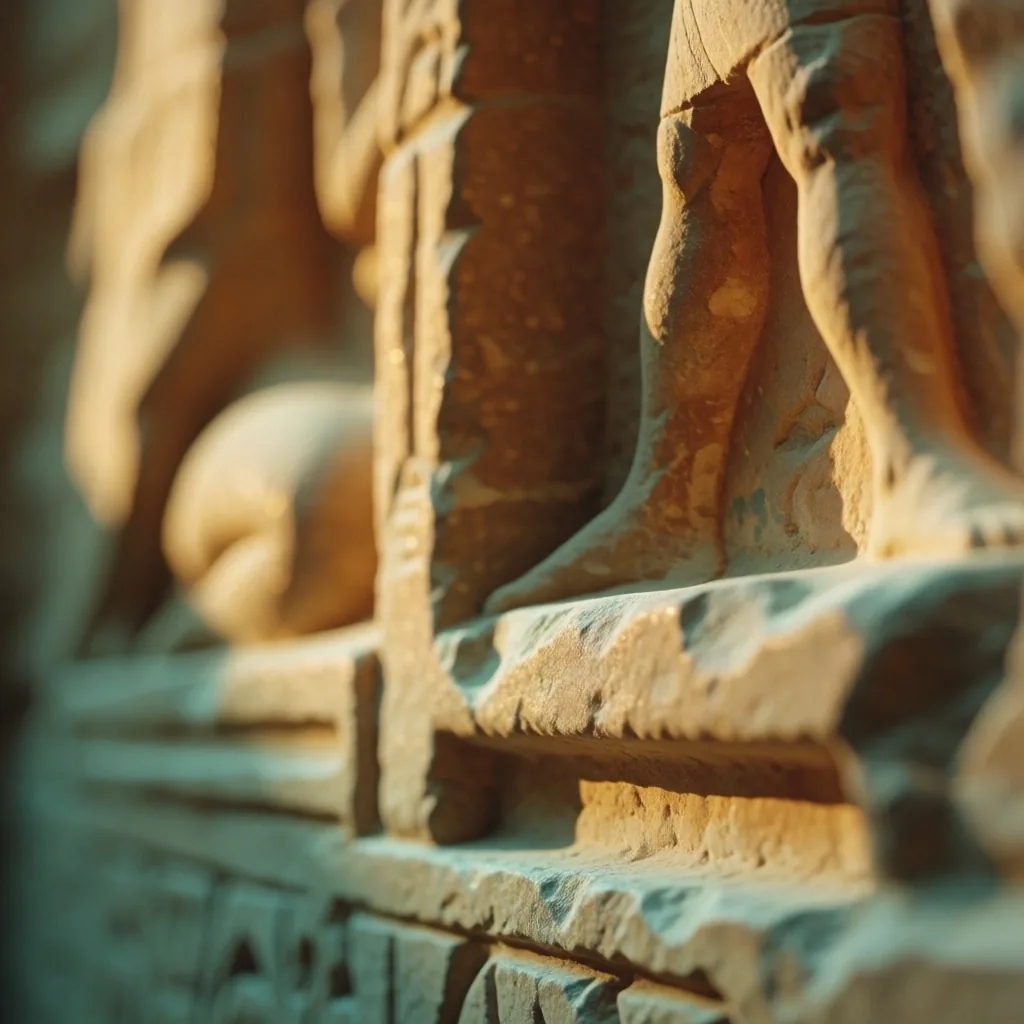
The Intersection of Art and Utility
A travel guide should be as beautiful to read as the destination is to see. We invest in high-quality writing and thoughtful design to make our travel blog a destination in itself.
Whether you are planning a trip or simply dreaming of one, we want our content to be a source of inspiration and intellectual engagement — not a list of instructions, but an invitation to think differently about why you travel.
Join the Journey
We invite our readers to be part of our editorial process.
Your feedback, your stories, and your questions help us refine our guides and stay relevant to the needs of the modern traveler. Together, we can continue to discover Egypt in all its complexity and beauty.
Travel Guides Egypt is a shared project, built by and for those who believe in the power of the journey. We read every message. We answer the ones that ask a real question. And we revise our guides when a reader tells us something we missed.
16 Kamal Al Tawil, Mohammed Mazhar
Zamalek, Cairo Governorate 4271183
Egypt
Mon–Fri: 9:00–18:00 (Cairo time)
We respond to reader correspondence within two working days.