Adventure Planning FAQ
Planning a trip through a country as layered as Egypt raises practical questions at every turn. This travel blog compiles the queries our readers send most often — heat, language, currency, dress, and getting between the northern coast and the southern highlands — so you can prepare with confidence rather than guesswork.
How to use these Egyptian travel guides
Travel into Egypt means moving between hypermodern cities, remote oases, and ancient sites that rarely match the glossy expectations set by social media. The questions below are the ones our readers ask before they pack, not after they arrive. Each answer is short, practical, and drawn from the same field research that informs our deeper guides.
We use fictionalized names for every monument, park, and settlement described on this travel blog — the Gilded Labyrinth, the Emerald Oasis, the Silent Peaks — to protect the editorial independence of our reporting. The conditions described are real: the heat, the dust, the currency logistics, the social norms around dress and courtesy. Treat these answers as a pre-departure briefing, then read the full guide for each region before you set out.
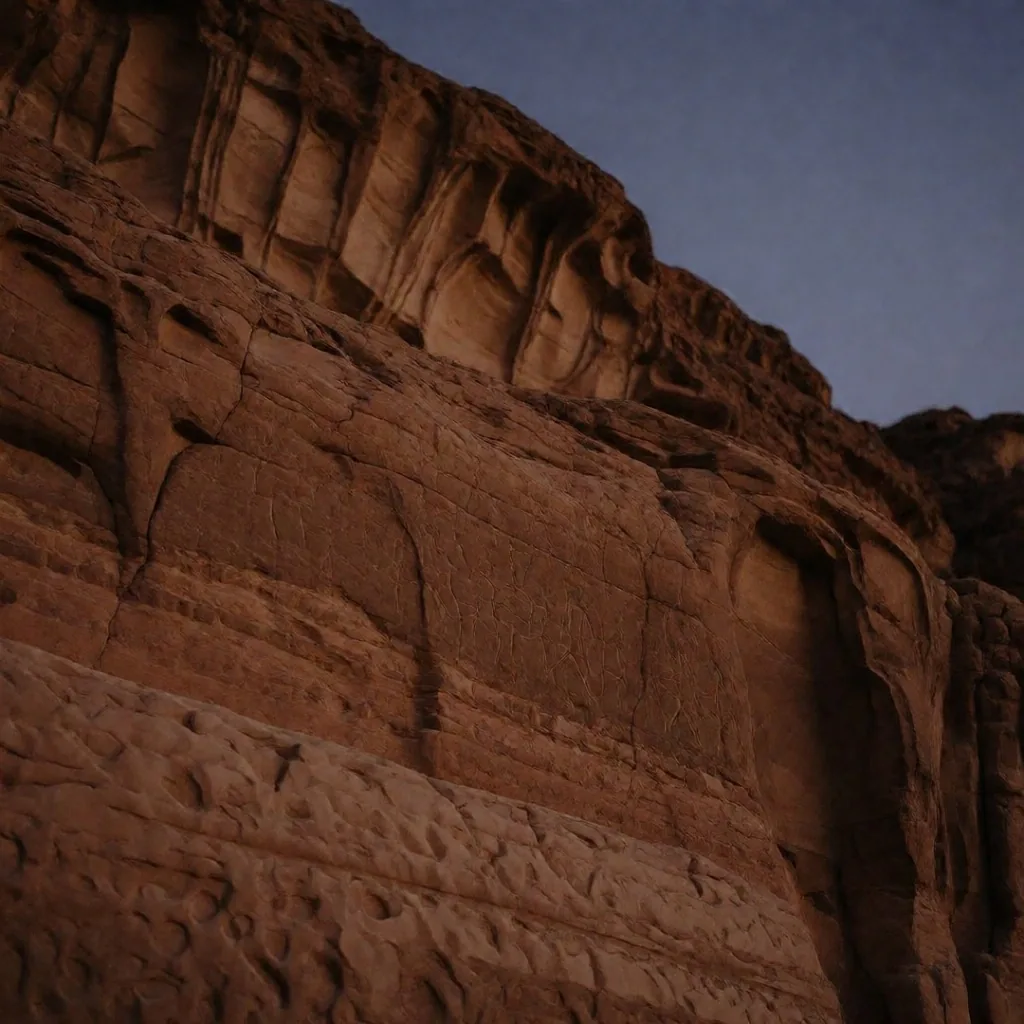
Field reference plate — surface condition, southern desert route
When is the best time to walk the desert monuments?
For the best balance of weather and crowds, aim for the shoulder seasons of October–November and March–April. During these months the heat stays manageable for walking the Sands of Eternity, and the evenings turn pleasantly cool enough to sit outside. Winter draws the largest crowds and the highest accommodation rates, while summer — June through August — is only viable for travelers who can handle midday temperatures above 40°C. If you must travel in summer, plan all outdoor activity for the first two hours after sunrise and retreat indoors by 10 a.m.
Do I need Arabic to navigate the rural oases?
English is common in major cities, hotel districts, and around the main transport hubs, but it thins out quickly in places like the Emerald Oasis and smaller villages along the southern routes. Learn a handful of basic greetings — hello, thank you, yes, no, how much — and load a translation app that works offline, since cell coverage drops in the deep desert. Pointing, gesture, and patience go a long way; residents in rural communities are generally quick to help travelers who make the effort to greet them in Arabic, even haltingly.
Is it safe for solo travelers to explore the Silent Peaks?
Yes, but with precautions. For any high-altitude trek in the Silent Peaks, hire a local mountain guide — not only for safety on unmarked trails, but for the depth of knowledge they bring about geology, weather patterns, and the seasonal water sources you will not find on any app. Egypt is broadly welcoming to solo travelers, and street-level harassment, while not absent, is rarely physical. Follow the common-sense protocols outlined in our travel blog: share your route with someone, carry enough water, and avoid night driving on desert roads.
Can I use my credit card in small villages?
No. Cash is essential for the oases, rural markets, roadside stops, and most local transportation. Major hotels and city restaurants in Cairo and the northern coast accept cards, but once you head inland the economy runs entirely on the local currency. Carry a mix of small and large bills — breaking a large note at a remote roadside stall can be difficult. Withdraw what you need in the city before departing for rural areas, and keep smaller denominations separate for tips, snacks, and short rides.
What should I wear to ancient shrines and temples?
Modesty is the baseline. Both men and women should cover their shoulders and knees when entering any shrine, temple, or local community space. This is not only a matter of cultural respect — lightweight, long clothing in breathable cotton or linen provides the best defense against the sun and the dust that settles on exposed skin. Pack loose trousers, long-sleeved shirts, and a scarf you can drape over your head or shoulders. Avoid tight athletic wear and very short shorts, which draw unwanted attention and offer poor sun protection.
How can I travel more sustainably in Egypt?
Start with the basics: carry a reusable water bottle with a built-in filter to cut single-use plastic, which is difficult to dispose of properly in rural areas. Stay at eco-lodges when the option exists — the Emerald Oasis and the southern desert corridors have several that employ local staff and manage their own water. Buy directly from artisans rather than from large souvenir shops. Never touch ancient stone, carvings, or coral reefs; the oils on your skin accelerate erosion. To discover Egypt responsibly is to leave each site exactly as you found it.
Is street food safe to eat?
Street food is one of the best ways to understand the culture, and yes, much of it is safe — with caveats. Choose stalls that are busy with local customers, because a high turnover means ingredients are fresh and not sitting in the heat. Avoid tap water in any form, including ice in drinks and uncooked vegetables that may have been rinsed in it. Stick to cooked, piping-hot food and sealed bottled water. The hydration protocols in our Travel Essentials guide cover what to drink, how much, and how to recognize early signs of heat exhaustion.
What is the fastest way between the coast and the mountains?
Domestic flights are the fastest option for covering the long north–south distance, but the overnight train is the more sustainable and atmospheric choice that many experienced travelers prefer — you board in the evening, sleep through the desert, and arrive at dawn. For shorter distances and urban travel, ride-sharing apps work well in the cities along the northern coast and in Cairo. For desert excursions to remote sites, hire a private driver who knows the unpaved roads and carries recovery equipment; this is not the place to test a rental sedan.
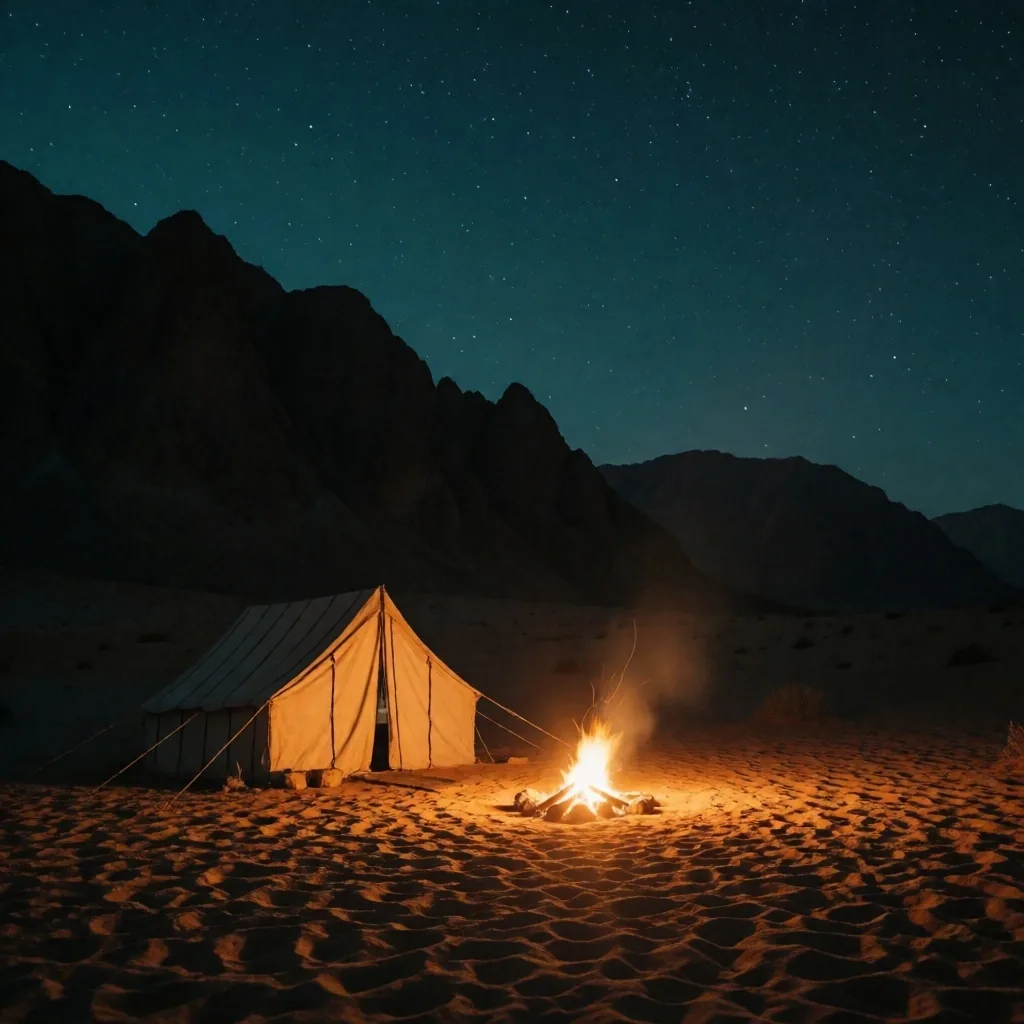
What to prepare before you travel into Egypt
These are the recurring practical concerns that shape every trip we document on this travel blog. None of them should discourage you — Egypt is one of the most rewarding countries a curious traveler can enter — but each one rewards a small amount of preparation. The checklists below summarize the decisions you should make before departure, with links to the full regional guides that cover terrain, conditions, and logistics in greater depth.
- Target October–November or March–April for balanced weather.
- Avoid midday sun in summer months; plan dawn activities.
- Check regional temperature ranges, not just the capital.
- Withdraw local currency before leaving major cities.
- Download offline maps and a translation app.
- Book a local guide for remote treks and desert routes.
- Drink only sealed bottled or filtered water.
- Eat cooked food from busy stalls with high turnover.
- Carry oral rehydration salts for desert excursions.
- Cover shoulders and knees at shrines and temples.
- Never touch ancient stone, carvings, or coral.
- Ask before photographing people, especially in rural areas.
View All Guides
Browse every regional guide and travel tip we have published — from the Emerald Oasis to the Azure Coast.
Explore PreparationRead Travel Essentials
The packing list, hydration protocols, and gear recommendations referenced throughout these answers.
Open Guide Still CuriousAsk a Question
Did we miss something? Send your question through our contact page and we may address it in a future guide.
Get in Touch