
Preparing for Your Egyptian Odyssey
A successful journey requires more than just a ticket; it requires a deep understanding of the environment and culture you are about to enter.
Our Travel Essentials guide is the practical backbone of Travel Guides Egypt. We strip away the marketing fluff to provide you with a concrete list of what you need to know, what you need to pack, and how you need to behave to ensure a smooth trip.
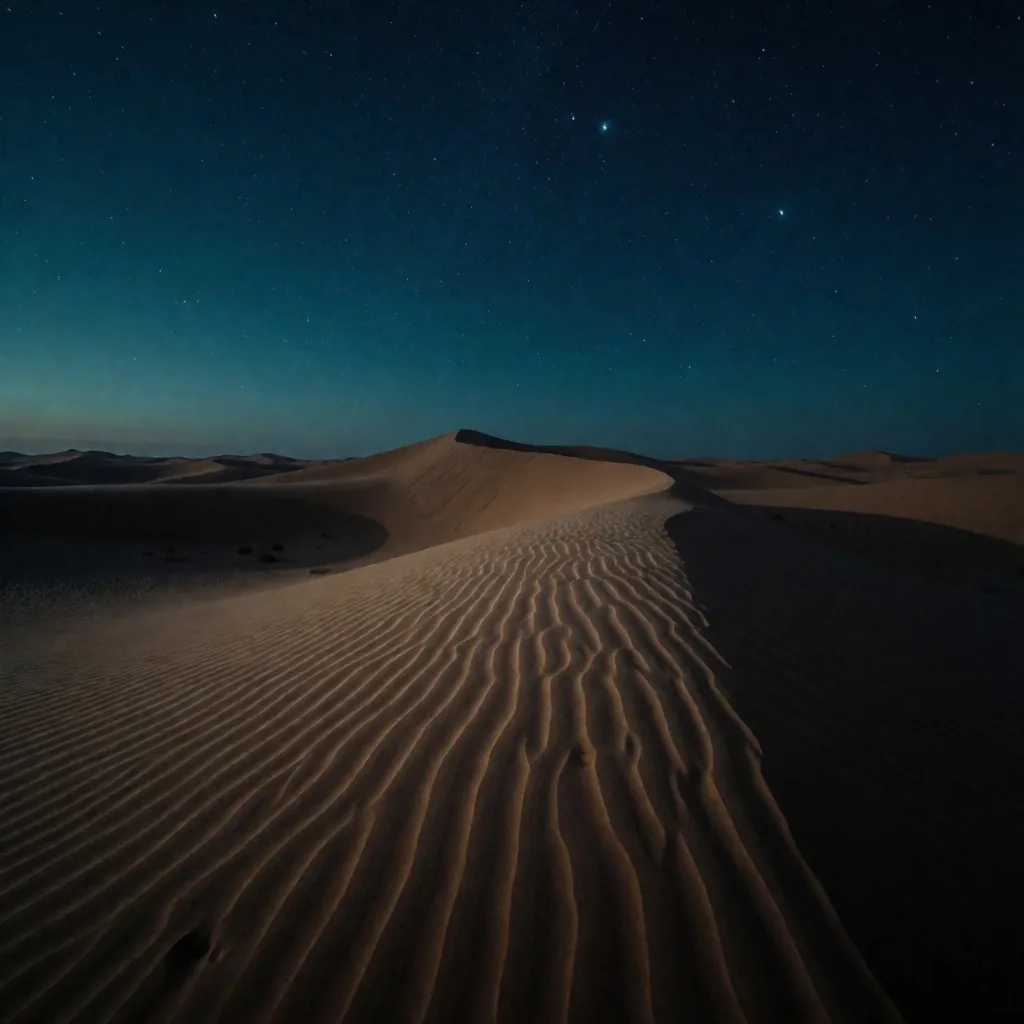
Whether you are navigating the urban sprawl or the silent desert, these tips are the result of years of field experience. This is your primary resource for travel guides for Egypt that prioritize utility over aesthetics. We focus on the logistical experience of being there — the dust on your shoes, the heat at midday, the cold wind off the dunes at night, and the specific way a market vendor sizes up a newcomer. Every piece of advice below comes from walking these routes ourselves, not from a desk.
Travel into Egypt rewards preparation. The country spans from Mediterranean coast to deep southern desert, and the conditions change radically between them. A traveler who arrives with only a guidebook and a rough plan tends to spend the first three days learning lessons the hard way. We built this page so you can skip that part.
The Ultimate Packing List for Extremes
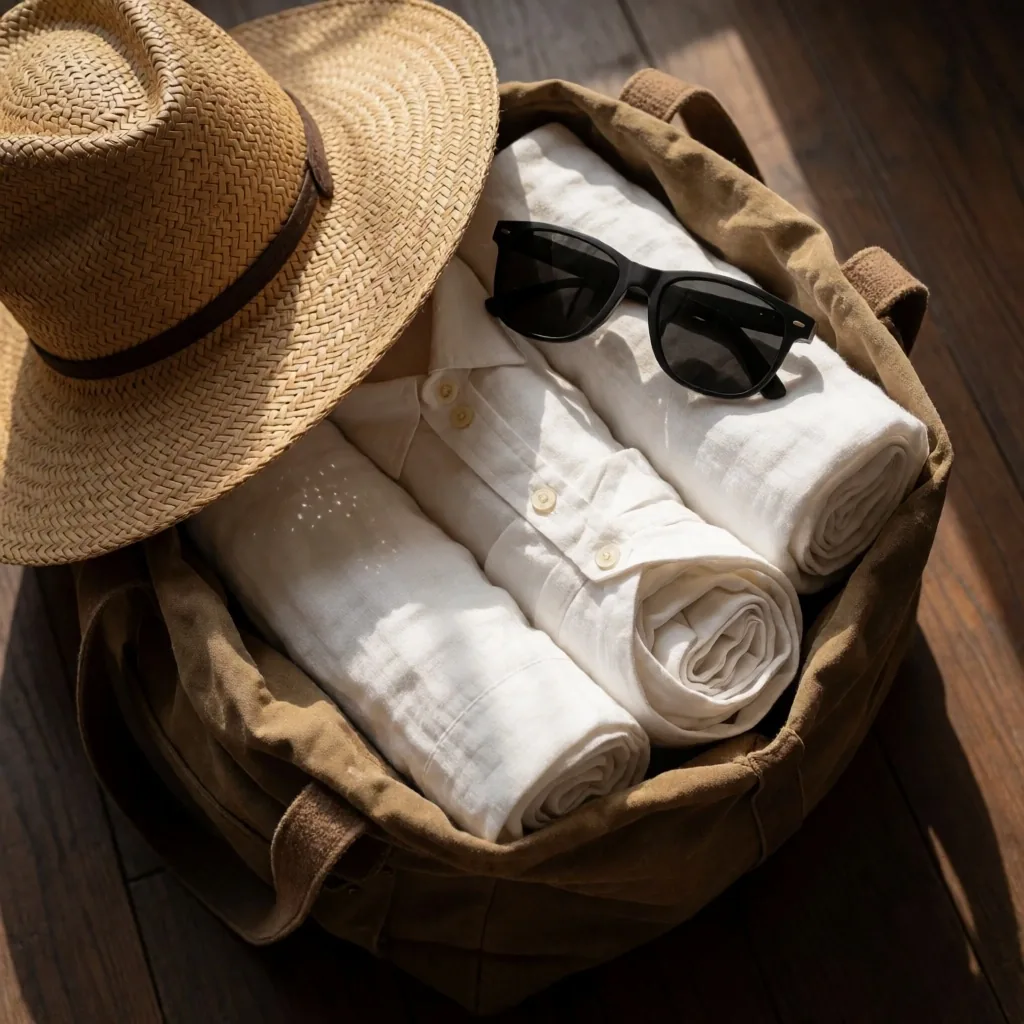
Egypt is a land of thermal contrast. The midday sun can be brutal, while the desert nights are surprisingly cold. We recommend a layering system based on natural fibers like linen and cotton. Avoid synthetic fabrics that trap heat. Packing light is good, but packing smart is better.
-
▸
Wide-brimmed hat Shade for neck and face during peak sun hours between 10 AM and 4 PM.
-
▸
Polarized sunglasses Reduces glare off sand, stone, and water surfaces. UV400 minimum.
-
▸
Walking shoes (broken in) Sturdy enough for pavement and sand. Never bring new shoes on this trip.
-
▸
Linen and cotton layers Long sleeves for sun protection. A light fleece for cold desert nights.
-
▸
Scarf or shemagh Dust protection, neck shade, and a layer of warmth after sunset.
Health and Hydration Protocols
The most common disruption for travelers is dehydration or digestive upset. The dry heat evaporates sweat so efficiently you may not realize how much fluid you are losing until you feel dizzy. By then, recovery takes hours.
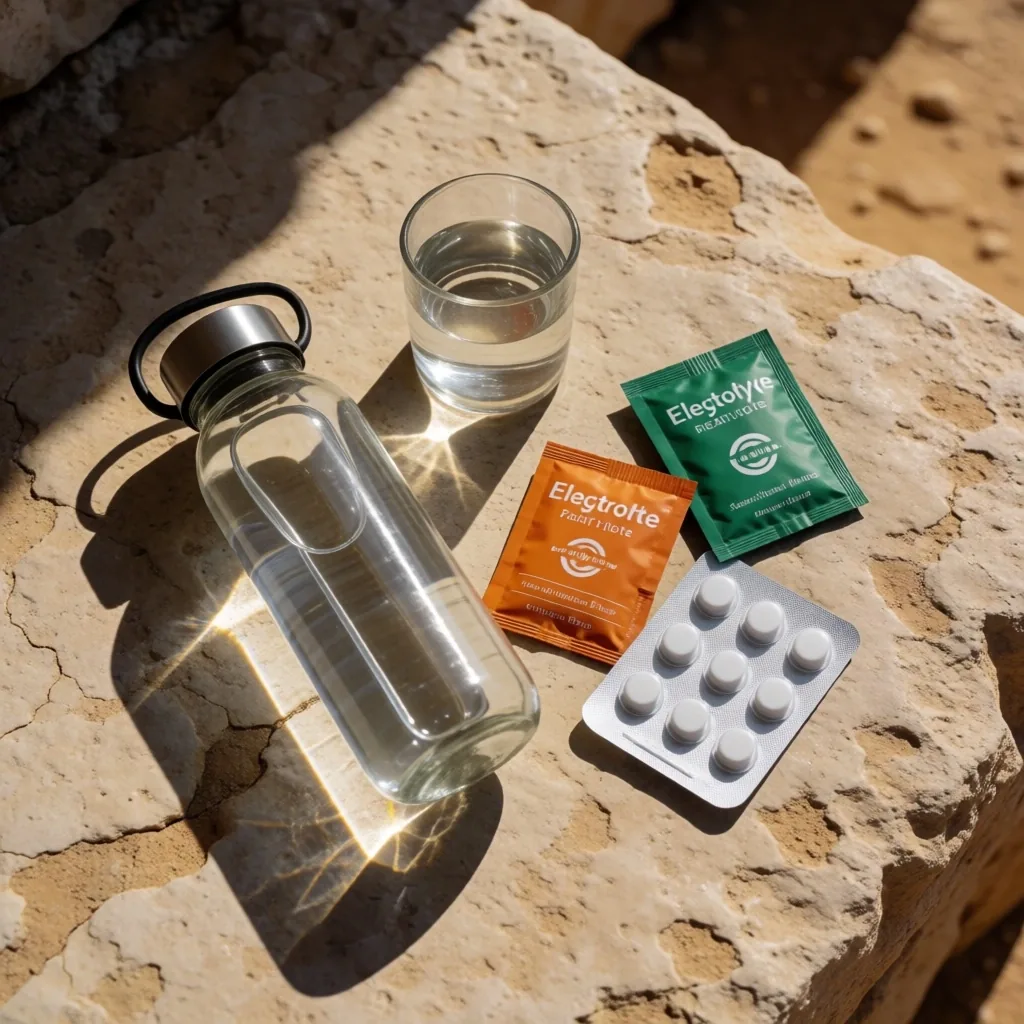
We provide a clear protocol for staying healthy: drink only bottled or filtered water, peel all fruit, and avoid ice in drinks unless you are in a high-end establishment. Carry a small kit of electrolytes and basic first-aid supplies. Our Egyptian travel guides prioritize your well-being so you can focus on the sights rather than your recovery.
- Drink two to three liters of water minimum, more in direct sun.
- Add an electrolyte sachet in the morning and again after any physical exertion.
- Eat fruit only if you can peel it yourself. Skip pre-cut street fruit.
- Carry hand sanitizer and use it before every meal when soap is unavailable.
Connectivity and Digital Navigation
Staying connected in Egypt is easier than it used to be, but it still requires some planning. We recommend purchasing a local SIM card upon arrival for the best data rates. Coverage in cities like the Golden Market district is strong and fast. Once you head into the Heat Plains or the southern desert regions, signal strength drops off.
Download offline maps of the major cities and desert regions before you leave your hotel. GPS signal can be intermittent once you leave the main highways, and a phone with cached maps is far more reliable than one depending on a live data connection. This travel into Egypt advice ensures you never lose your way, even when the signal fails completely.
Currency and the Art of the Exchange
The local currency is the backbone of all transactions, from market stalls to taxi rides. While cards are accepted in major hubs, cash is king in the oases and rural villages. We explain the denominations, the importance of carrying small bills for tips, and where to find reliable exchange rates without hidden complications.
Small denominations are essential for tips, market purchases, and short taxi rides. Vendors rarely have change for large notes.
Official bank counters and authorized exchanges offer the most consistent rates. Avoid informal street money changers.
Always carry a reserve of cash for areas where card terminals are unavailable or where the network is down.
Understanding Social Etiquette
Egypt is a conservative society with a deep sense of hospitality. Dressing modestly respects local customs while keeping you cool under the sun. Loose, long garments in natural fibers protect your skin from UV exposure and show awareness of cultural norms.
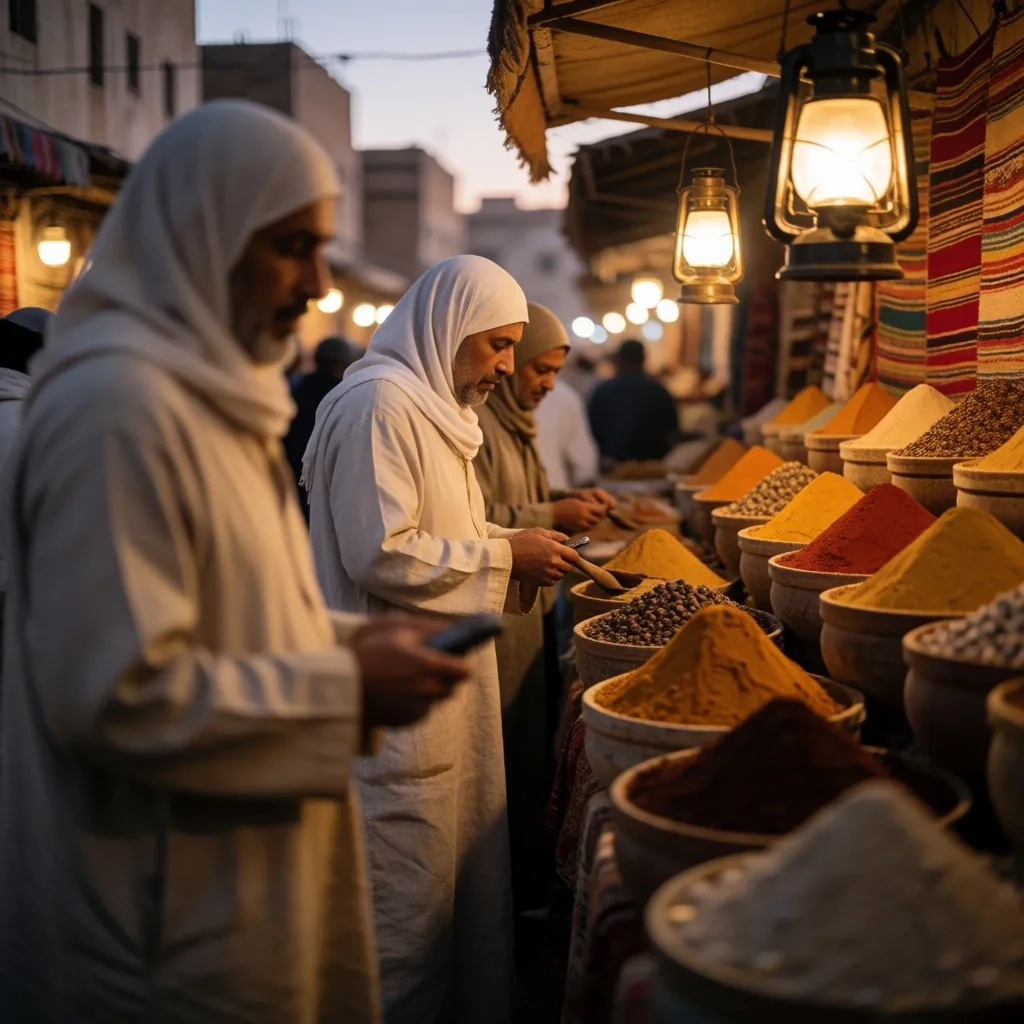
The practice of baksheesh — a small gratuity for services — is an integral part of the service economy. It is not a bribe. It is a way of distributing small amounts of money to the people who help you along the way: the restroom attendant, the person who watches your shoes at a doorway, the driver who carries your bag. Carry a pocket of small notes for this purpose.
From Feluccas to Ride-Sharing
Moving around the country offers a variety of experiences. We break down the pros and cons of each method so you can build an efficient itinerary that matches your pace and budget.
The rail system connects major cities along the river corridor. It is affordable and scenic, though delays are common. First-class cabins offer air conditioning and reserved seating.
Best for long-distance travel between the northern coast and the southern regions.Short domestic flights connect the major hubs and save hours of desert driving. Useful when your time is limited and you need to cover the distance between the coast and the deep south quickly.
Best for tight schedules covering large distances in a single day.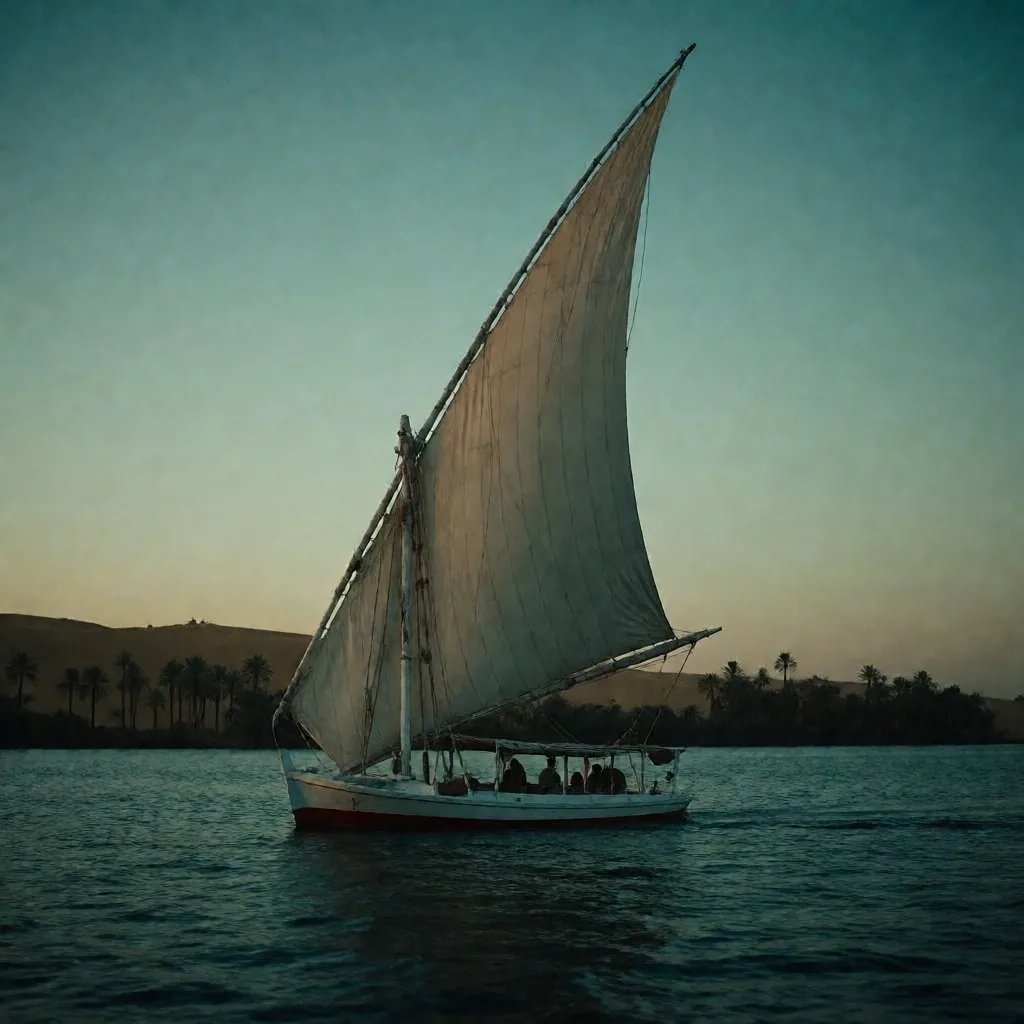
These traditional sailboats offer a slow, wind-driven passage along the river. There is no engine, no schedule, and no rush. A felucca trip is about the journey itself — the silence on the water, the stars at night, the shore drifting past.
In the cities, ride-sharing applications are a reliable way to avoid price negotiations with street taxis. The app confirms the fare before you get in, which removes the stress of haggling in a language you may not speak.
Safety and Local Intelligence
Egypt is generally a safe destination for travelers, but situational awareness is key. Street vendors can be persistent, and learning to decline politely but firmly is a skill worth practicing before you arrive. A simple, calm refusal works better than avoidance or engagement.
We recommend registering with your embassy upon arrival and keeping copies of your passport, visa, and insurance documents in a secure digital cloud. If your physical documents are lost or stolen, digital copies can resolve the situation in hours rather than days. Stay informed about local events through your embassy's travel advisory page.
- Photograph your passport, visa, and insurance. Store the images in secure cloud storage.
- Carry only what you need for the day. Leave the rest in your accommodation's safe.
- Save your embassy's local emergency number in your phone before you land.
- Share your rough itinerary with someone at home and check in every two to three days.
Photography Laws and Ethics
The beauty of Egypt makes it a photographer's paradise, but there are strict rules about what you can and cannot shoot. Tripods and professional equipment may be restricted at certain historic sites. Drone use is heavily regulated and often prohibited near monuments and military zones.
Always check posted signage at sites and ask a guard if you are unsure. A quick question can save you a difficult conversation later. When it comes to photographing people, always ask for permission first. A smile and a gesture toward your camera are usually enough. If someone declines, respect it and move on.
- Tripods may require advance permission at historic and heritage sites.
- Drones are restricted near monuments, military areas, and government buildings.
- Always ask before photographing people. A nod and a smile go a long way.
- Do not photograph military personnel, checkpoints, or infrastructure.
Language Basics for the Traveler
Many Egyptians speak English, especially in the cities and around major hubs. Learning a few words of the local language goes a long way. A small effort shows respect for the culture and often results in better service and warmer interactions. To discover Egypt is to engage with its people, and language is the first bridge.
Seasonal Timing: When to Go
The timing of your trip will dictate your experience. We analyze the weather patterns of the different regions, from the Mediterranean coast to the southern desert. We also discuss the impact of major holidays on travel logistics. This travel into Egypt guide helps you pick the right window for your interests.
Mild days and cool nights. The most comfortable window for the southern desert and the river valley. Expect more travelers at major sites.
Warming temperatures and occasional khamsin dust storms. The coast is pleasant. Fewer crowds at heritage sites.
Intense heat, especially in the south and the Heat Plains. Early morning and evening activity only. The coast offers relief.
Heat eases, light softens, and the landscape recovers. A strong shoulder-season window with fewer crowds and reasonable temperatures.
Ready to Move Deeper?
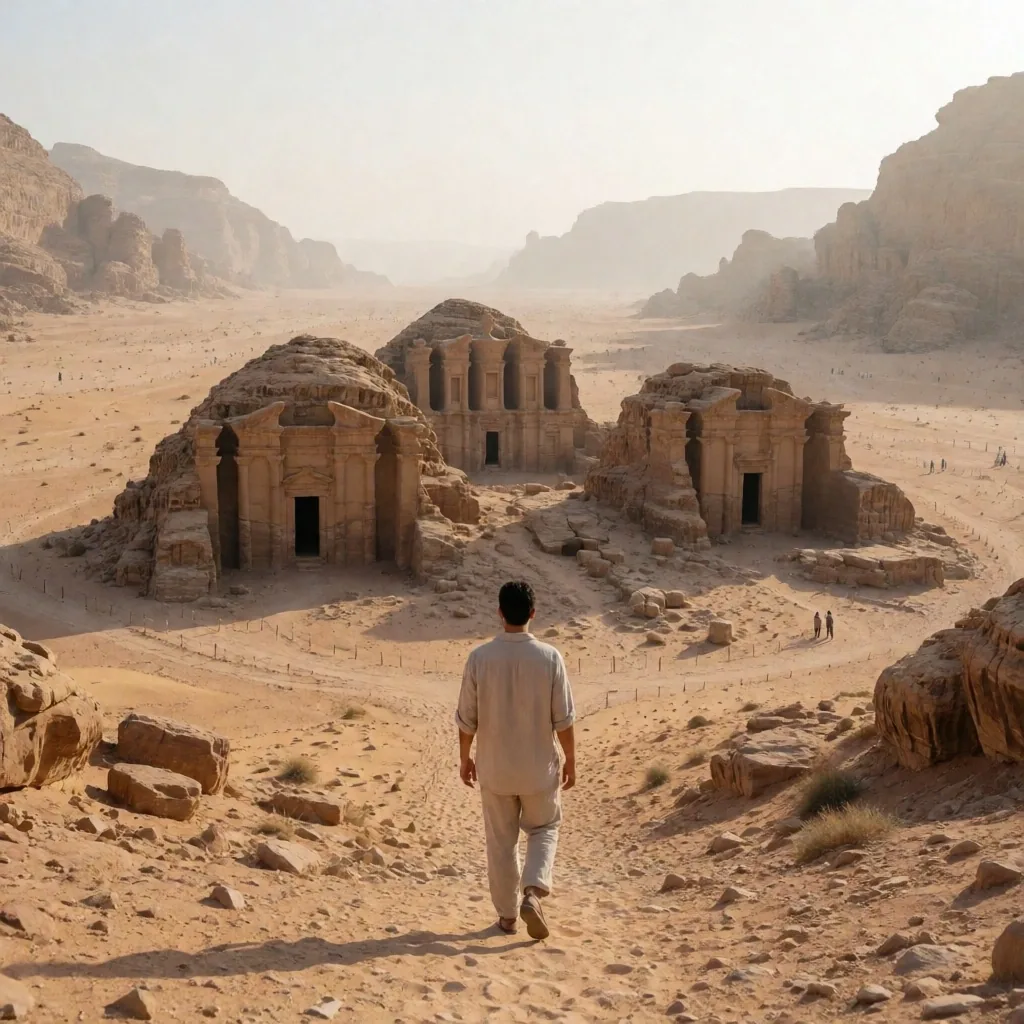
These essentials are the foundation. The next step is choosing where the road takes you. Our destination guides cover the specific regions, fictional landmarks, and hidden routes that make this country worth the preparation.
16 Kamal Al Tawil, Mohammed Mazhar, Zamalek, Cairo Governorate 4271183, Egypt
Phone: +201275055559
Email: [email protected]
Mon–Fri: 9:00–18:00