The Emerald Oasis
A Haven in the Western Wilds — a lush basin of life surrounded by hundreds of miles of shifting dunes.
Where the Sand Ends and Green Begins
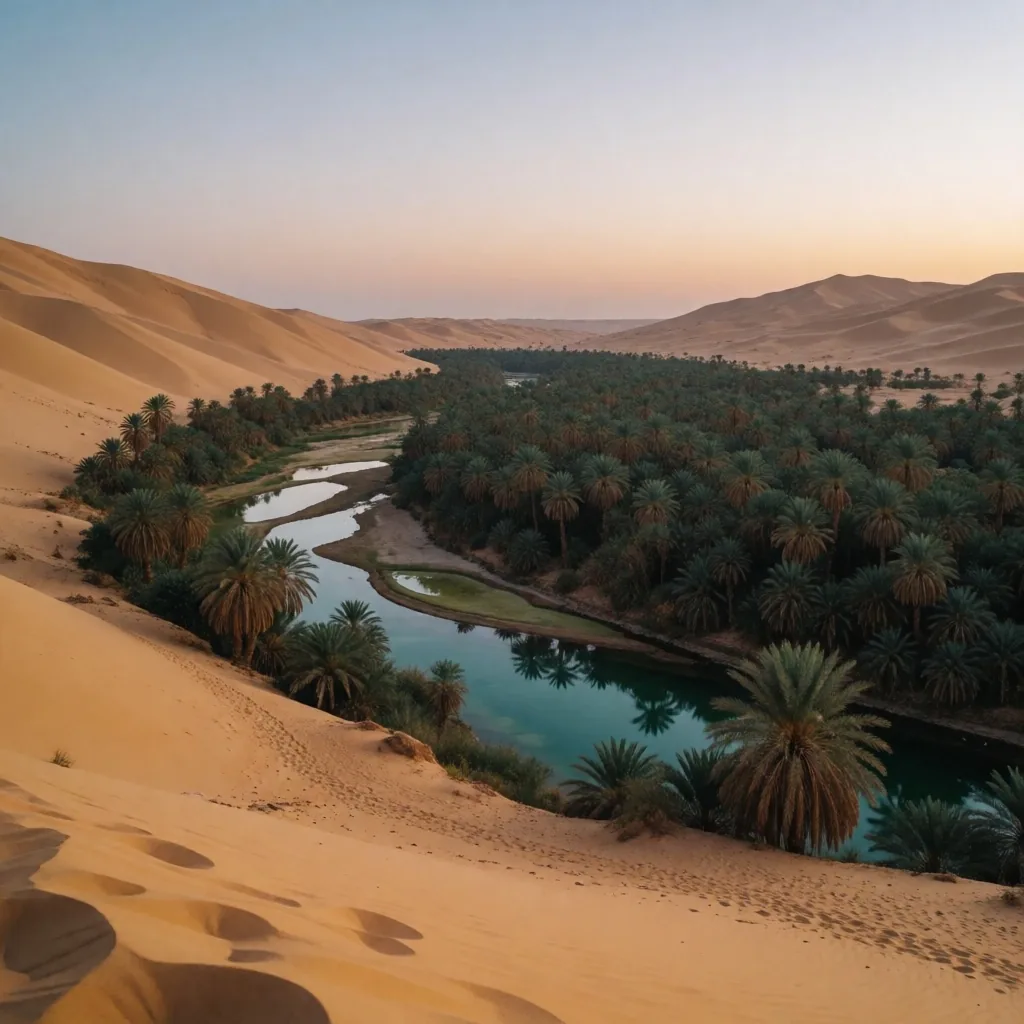
The Emerald Oasis is a lush basin of life surrounded by hundreds of miles of shifting dunes. In our travel guides for Egypt, this destination is often highlighted as the ultimate retreat for those looking to escape the mechanical hum of the city.
The oasis is fed by deep artesian wells that have flowed since antiquity, creating a microclimate where date palms and citrus trees flourish under the harsh sun. The water rises from fractures in the deep sandstone layers, pushed upward by pressure that has built over geological time. You can hear it before you see it — a low, steady rush beneath the rock channels that line the valley floor.
This guide provides an in-depth look at how to reach this remote paradise and what to expect when the golden sands finally give way to the deep greens of the valley. We cover the overland route, the thermal springs, the mud-brick architecture, the date harvest economy, the wildlife, and the starlit nights that make this one of the most extraordinary places to discover Egypt.
The air here smells different. After a rare rain, the dust releases a warm, mineral scent that mixes with the sweetness of ripening fruit. It is the kind of place that changes how you measure distance — not in kilometers, but in the number of dunes between you and the nearest green.
The Journey Across the Great Sea of Sand
What to Bring
- —A sturdy 4x4 vehicle with reinforced tires and a full-size spare
- —At least 20 liters of water per person for the transit
- —A satellite phone or messaging beacon for dead zones
- —A local driver or guide who reads wind-altered tracks
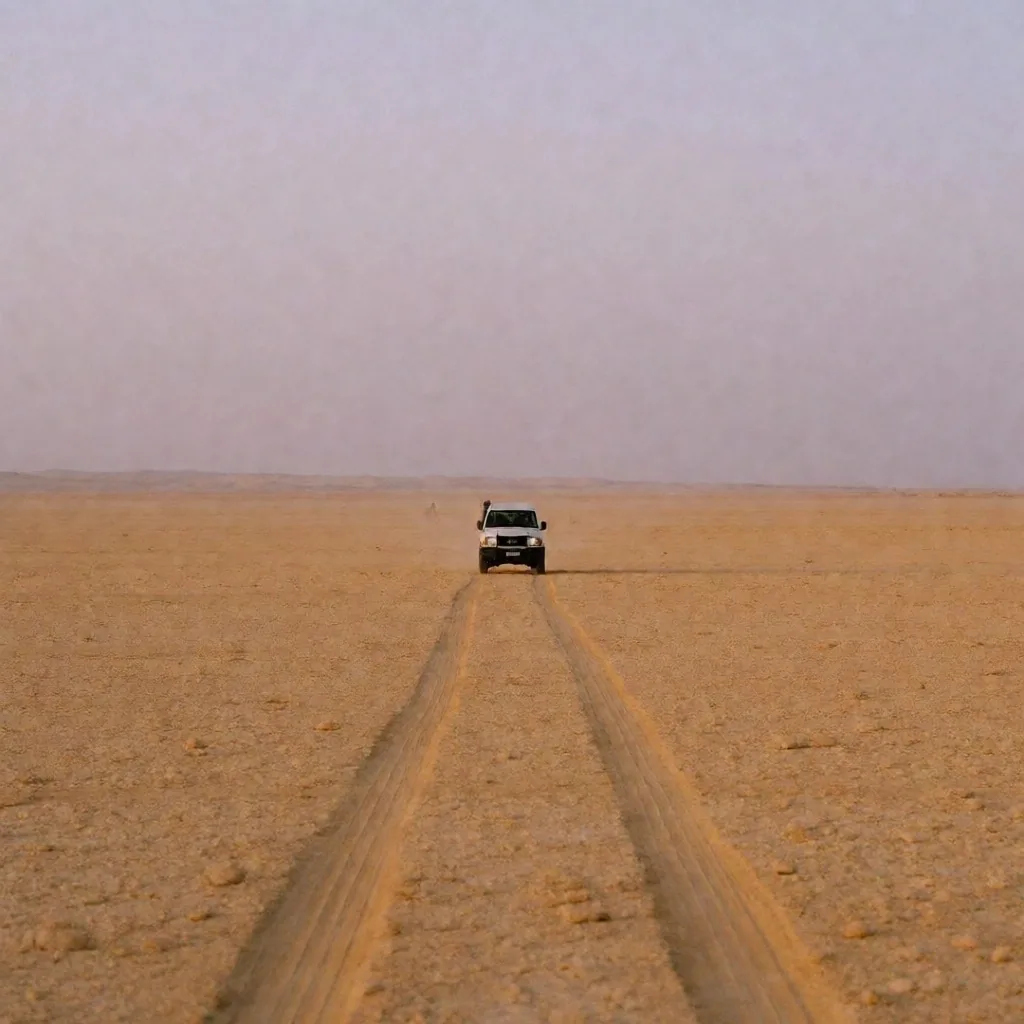
Reaching the Emerald Oasis is an expedition in its own right, requiring a sturdy vehicle and a reliable navigator. The path from the Nile valley involves crossing the expansive plateaus of the Western Desert, where the horizon stretches infinitely in every direction.
We recommend traveling in a convoy or hiring a local driver who understands the way the wind alters the tracks. The sand shifts daily, and what looks like a firm path in the morning can become soft and treacherous by afternoon. Drivers from the nearest valley towns have an almost instinctive sense for the firmest ground, reading the color and texture of the sand the way a sailor reads water.
This travel blog emphasizes that the transit is not just a hurdle but a vital part of the experience, offering a sense of scale that few other places can match. The drive takes most of a day, and the final hour — when the first green smudge appears on the horizon — is something you will remember long after the journey ends.
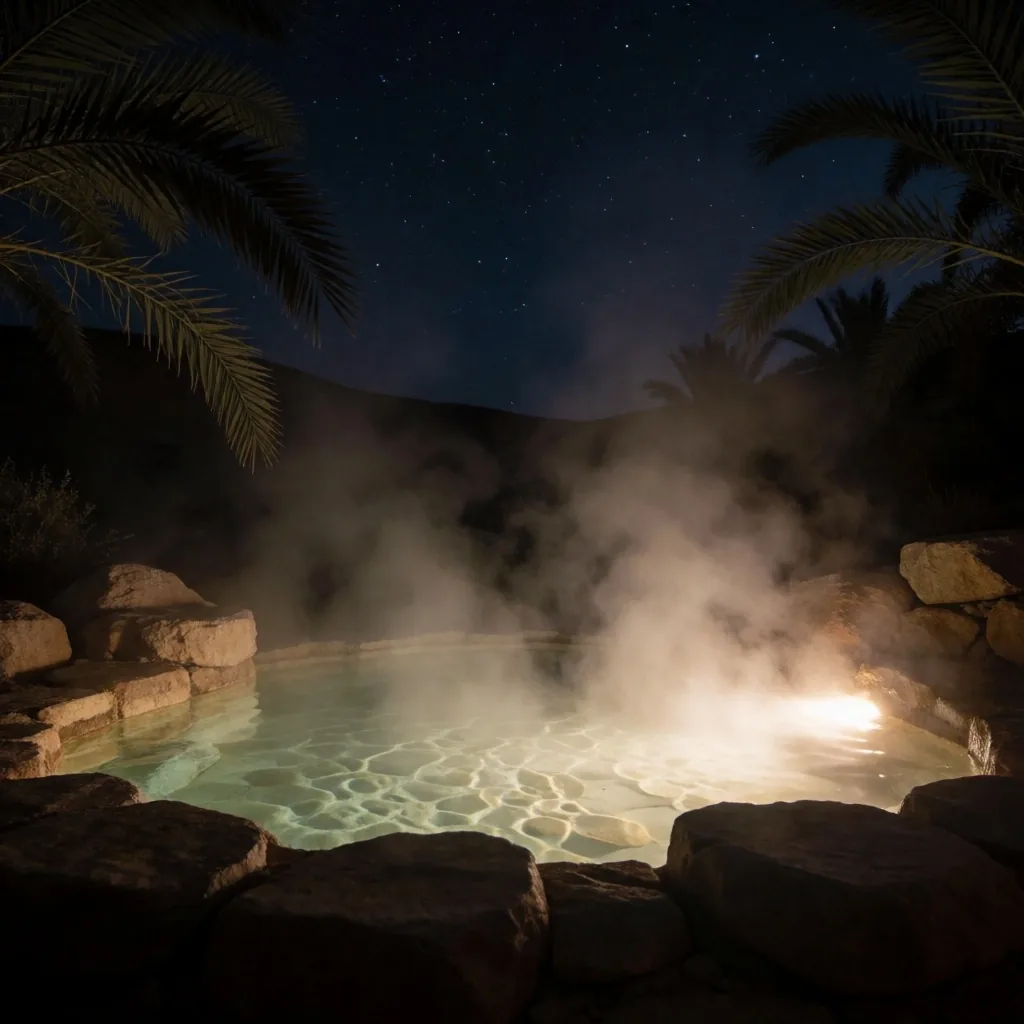 Spring Detail
Thermal Springs and Healing Waters
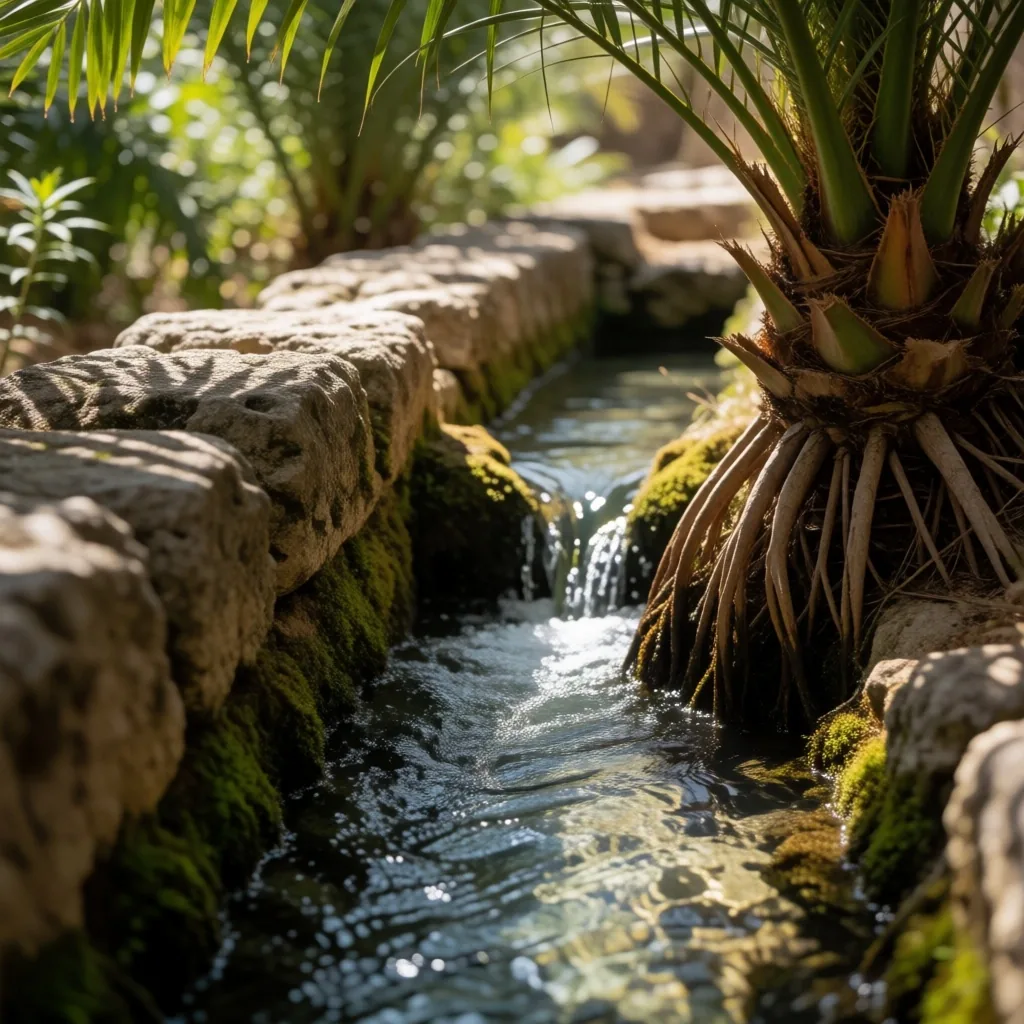
At the heart of the oasis are the thermal springs, where mineral-rich water bubbles up from the earth at a constant, warm temperature. These natural pools have been used for relaxation and recovery for centuries.
The water emerges at roughly 38 degrees Celsius year-round, carrying dissolved salts and trace minerals that leave a faint, silky film on the skin. Locals speak of the springs the way other cultures speak of bathhouses — as places of social gathering, quiet conversation, and physical restoration. The oldest pools are lined with hand-cut stone that has been worn smooth by generations of use.
Visitors are encouraged to soak in the waters during the cool desert nights when the steam rises to meet the starlight. The contrast between the warm water and the cold air above is something you feel in your chest — a slow, deep unwinding that no city spa can reproduce.
Our Egyptian travel guides detail the specific locations of the most secluded springs, ensuring you find a spot away from the central village clusters. The best pools are a short walk past the northern groves, where the rock forms a natural basin and the only sound is the trickle of overflow into the irrigation channels.
The Architecture of Mud and Palm
The dwellings in the Emerald Oasis are constructed using traditional methods that utilize the resources at hand: sun-dried mud bricks and palm timber. This organic architecture provides natural insulation against the extreme temperature fluctuations of the desert.
The walls are thick — often half a meter or more — and they work in two directions. During the day they absorb heat slowly, keeping interiors cool. At night they release that stored warmth, holding the chill at bay. The ceilings are woven from palm ribs and reeds, then sealed with a layer of clay that hardens in the sun.
We explore the design of the old fortress that once protected the inhabitants from raiders, showcasing the intricate ventilation shafts and narrow defensive alleys. Understanding these structures is a key part of your mission to discover Egypt through its local craftsmanship.
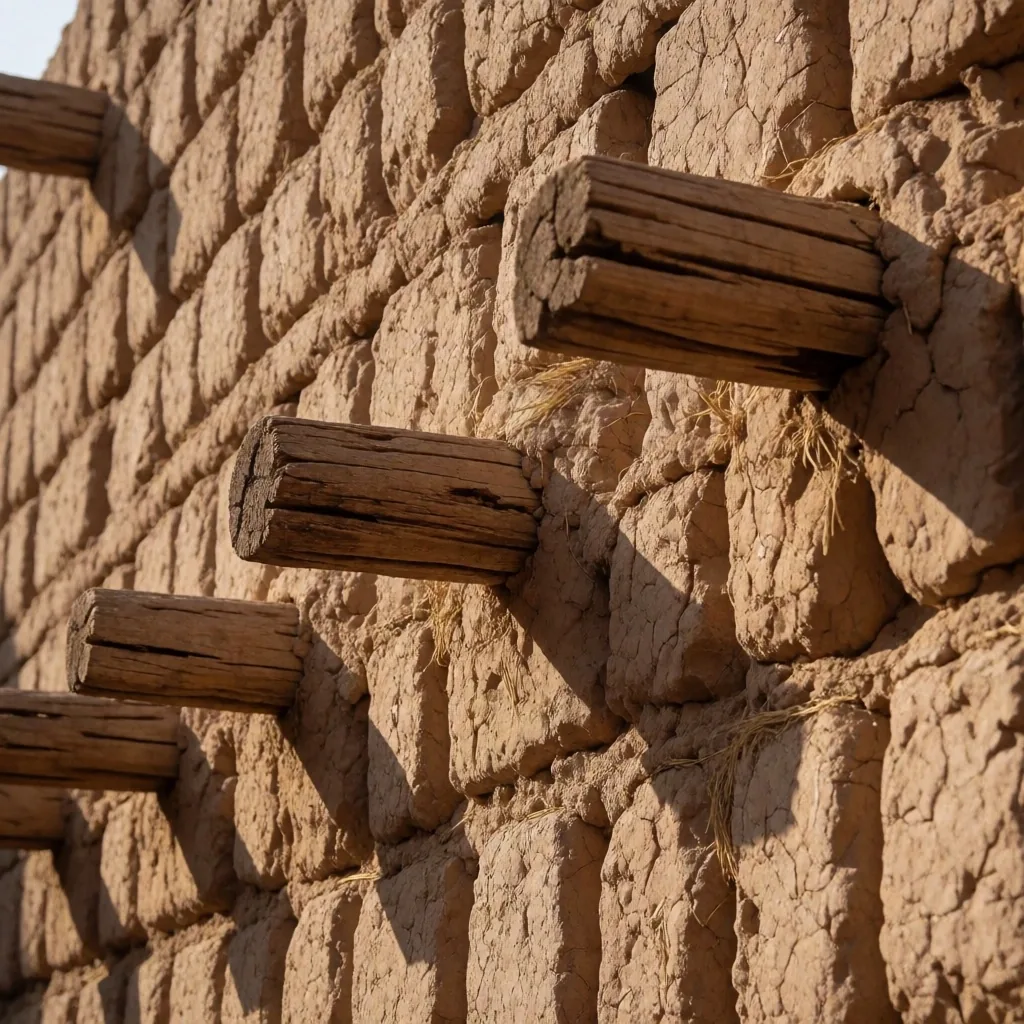
Wall Material
Sun-dried mud brick mixed with straw and fine sand
Structural Timber
Palm trunks and ribs, cut and dried for six months
Insulation
Walls of 50cm+ thickness, double-layered in dwellings
Ventilation
Shaft-and-cap system drawing air across shaded courtyards
The Date Palm Economy
The lifeblood of the oasis is the date palm. Thousands of trees are meticulously tended by local families, creating a canopy that provides shade for smaller crops like olives and grapes.
During the harvest season, the entire community participates in gathering and drying the fruit. The work begins before dawn, when the air is still cool, and the palms are climbed using a simple loop of rope around the ankles. It is skilled, physical labor — the kind that has been passed from father to son for as long as anyone can remember.
Our travel guides for Egypt explain the different varieties of dates grown here and how the irrigation systems, some dating back to the Roman era, continue to distribute water equitably across the groves.
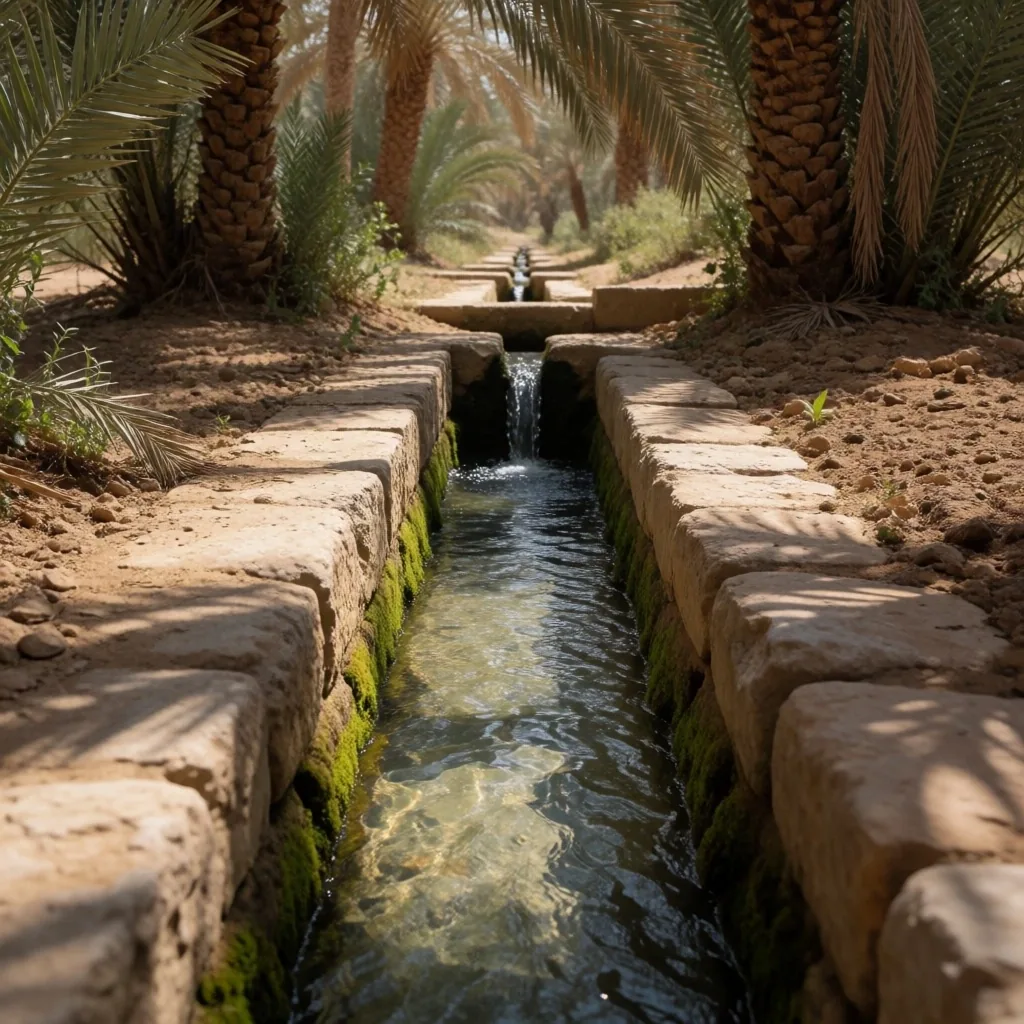
Olives and grapes cultivated beneath the palm shade
Stone channels dating to antiquity, still maintained by hand
Community-wide effort, pre-dawn climbs, open-air drying racks
Desert Wildlife and Avian Migrations
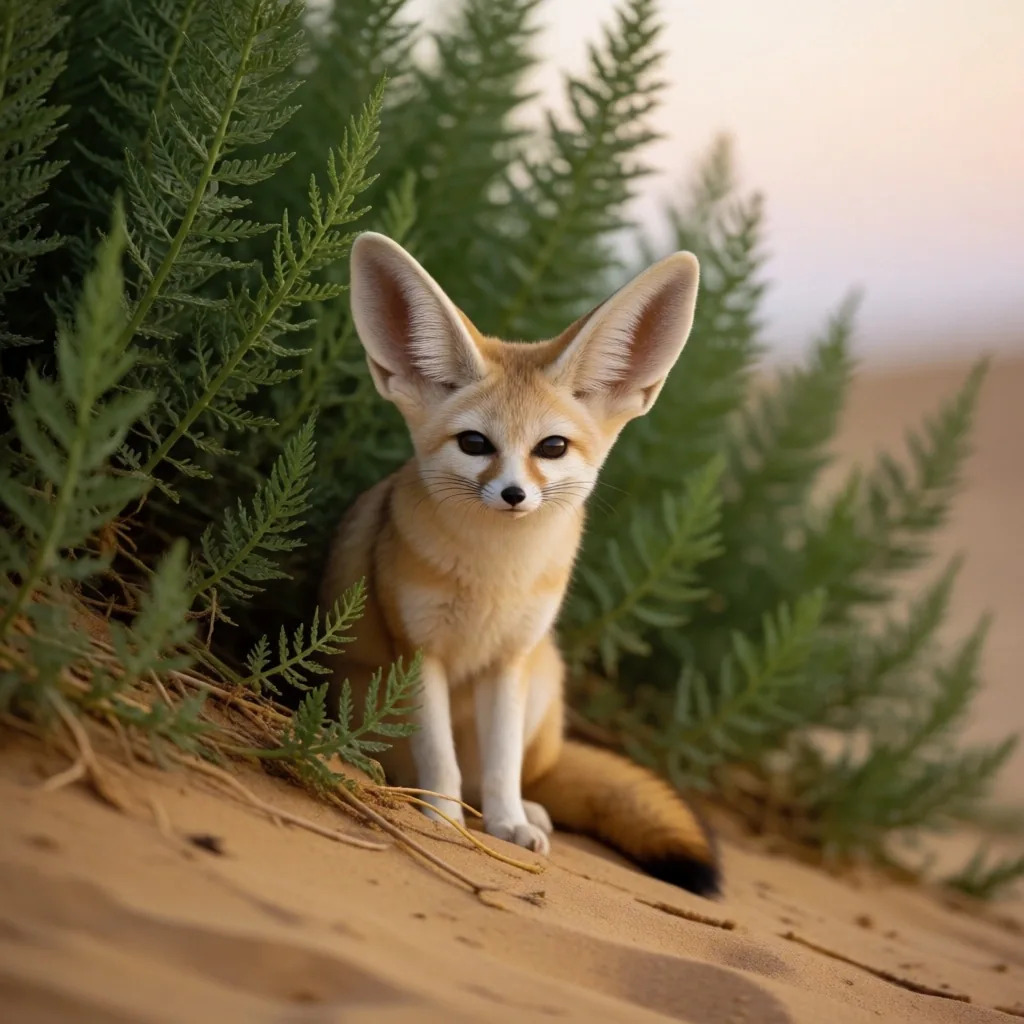
Despite the aridity of the surrounding landscape, the Emerald Oasis is a hotspot for biodiversity. It serves as a crucial stopover for migratory birds traveling between Europe and sub-Saharan Africa. Birdwatchers can spot rare species nesting in the reeds around the central lake.
This travel blog also highlights the nocturnal life of the dunes, including the fennec fox and various desert gazelles that come to the edge of the greenery under the cover of darkness. Dawn and dusk are the best windows — the foxes are boldest in the half-light, and the gazelles come to drink where the springs overflow into the grass.
Starlit Nights and Astral Navigation
The lack of light pollution in the Western Desert makes the Emerald Oasis one of the best locations in the world for stargazing. The Milky Way appears as a solid band of light across the sky, and the constellations are visible with startling clarity.
We provide tips on how to identify the celestial markers that desert nomads once used for navigation. If you travel into Egypt for the purpose of astronomical wonder, this is your primary destination. Lie flat on the sand away from the village lights, let your eyes adjust for twenty minutes, and the sky will open into something few people alive today have ever seen.
Local Flavors of the West
The cuisine in the oasis differs significantly from the river-based diet of the Nile valley. Here, the flavors are influenced by the proximity to the trans-Saharan trade routes.
Expect dishes seasoned with desert herbs and slow-cooked meats prepared in underground ovens. The method is simple and ancient: a pit is dug, lined with hot stones, and covered with palm fronds. The meat — usually lamb or goat — cooks for hours in its own steam, emerging tender and scented with the greenery around it.
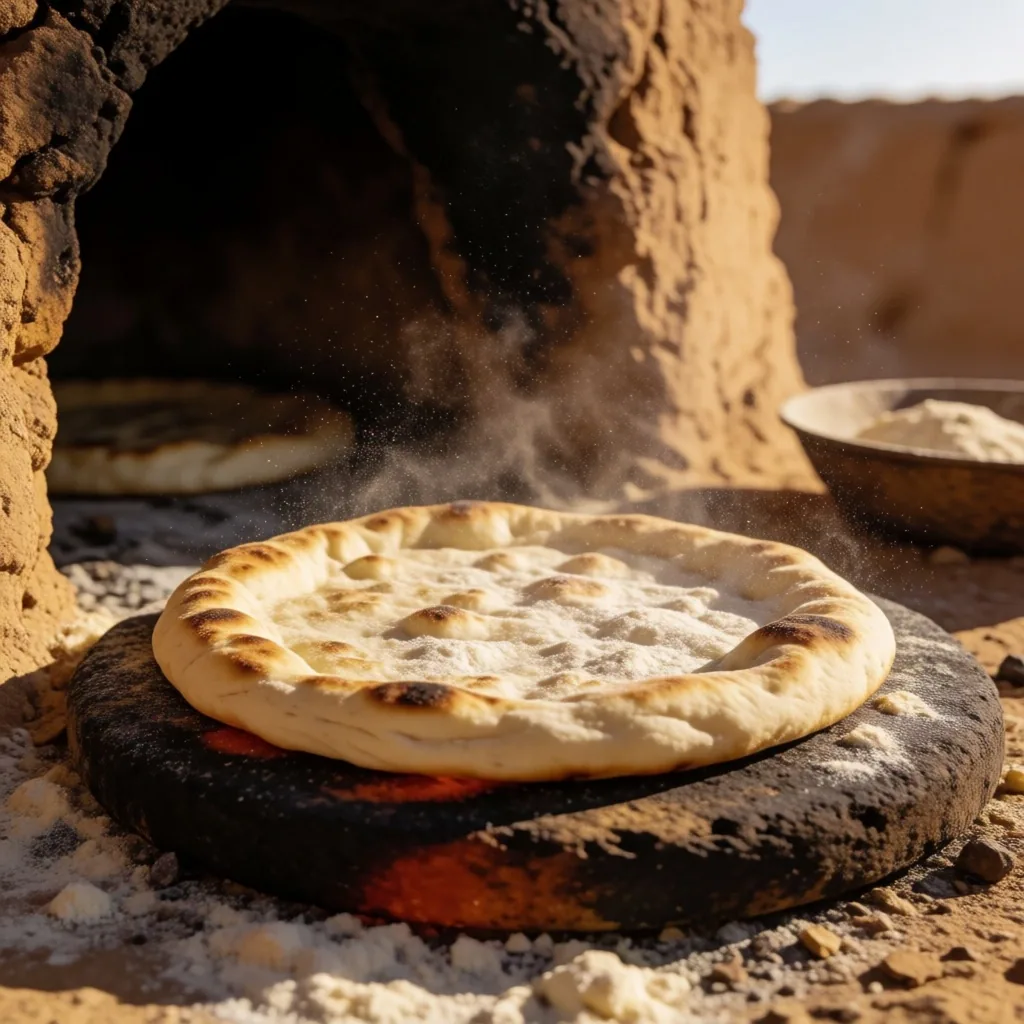
Our Egyptian travel guides recommend trying the local honey and the unique flatbreads baked on hot stones. The honey is dark, almost bitter, gathered from bees that feed on the flowering shrubs at the desert's edge. The flatbread is crisp on the bottom and soft inside, best eaten warm with a drizzle of olive oil from the groves.
These culinary experiences are essential for anyone who wants to truly discover Egypt. The food tells you something about the place that no photograph can — what grows here, what travels here, and how people have learned to make both taste like home.
Sustainable Tourism in a Fragile Basin
The Emerald Oasis is a delicate environment where water is the most precious commodity. As tourism grows, the pressure on these resources increases.
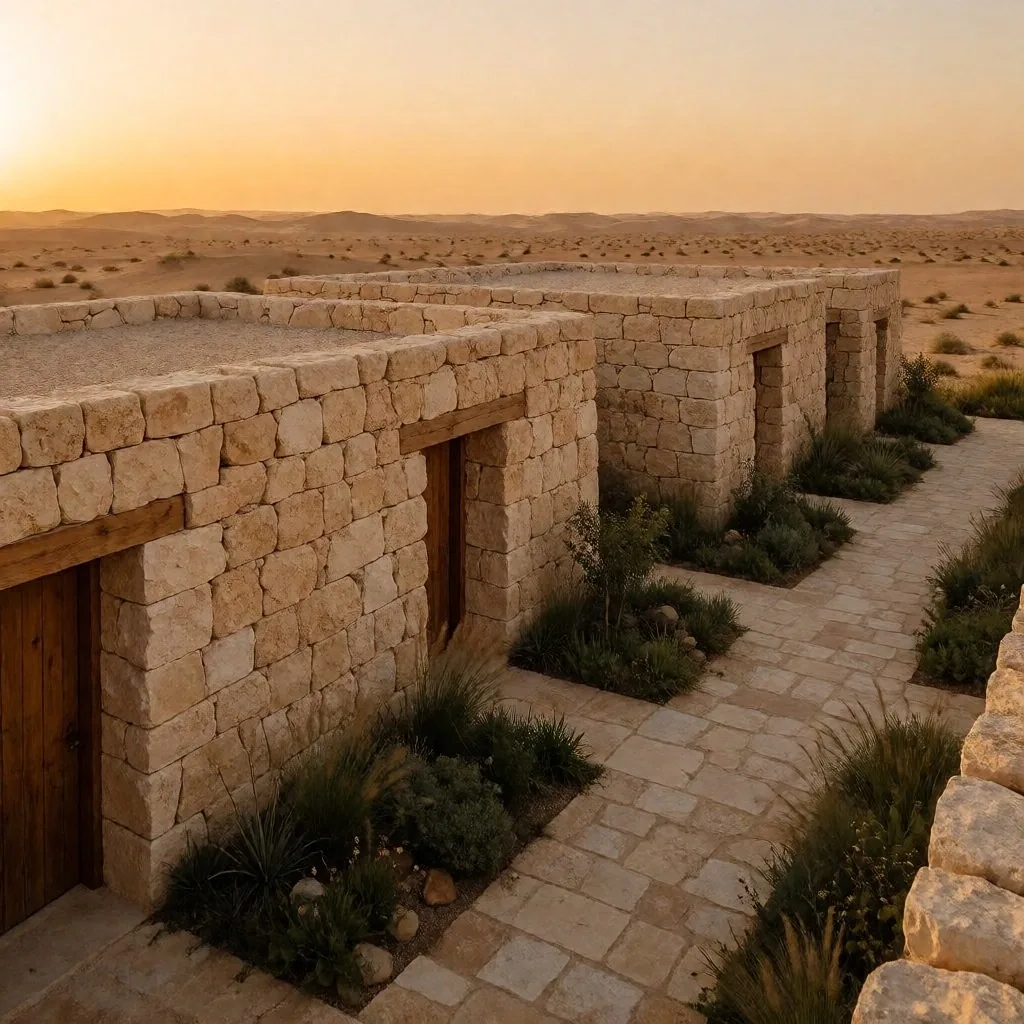
We advocate for a low-impact approach, encouraging travelers to stay in eco-lodges that prioritize water conservation and waste management. This section of our travel blog outlines how you can contribute to the preservation of the oasis while still enjoying its natural beauty.
Choose lodges that reuse graywater for irrigation and limit daily consumption to the oasis baseline
Carry out all waste, including organic scraps — the desert breaks them down far more slowly than you'd expect
Keep to established paths through the groves to avoid compressing the root systems of the older palms
Limit soaking time at the smaller thermal springs so the water can refill naturally overnight
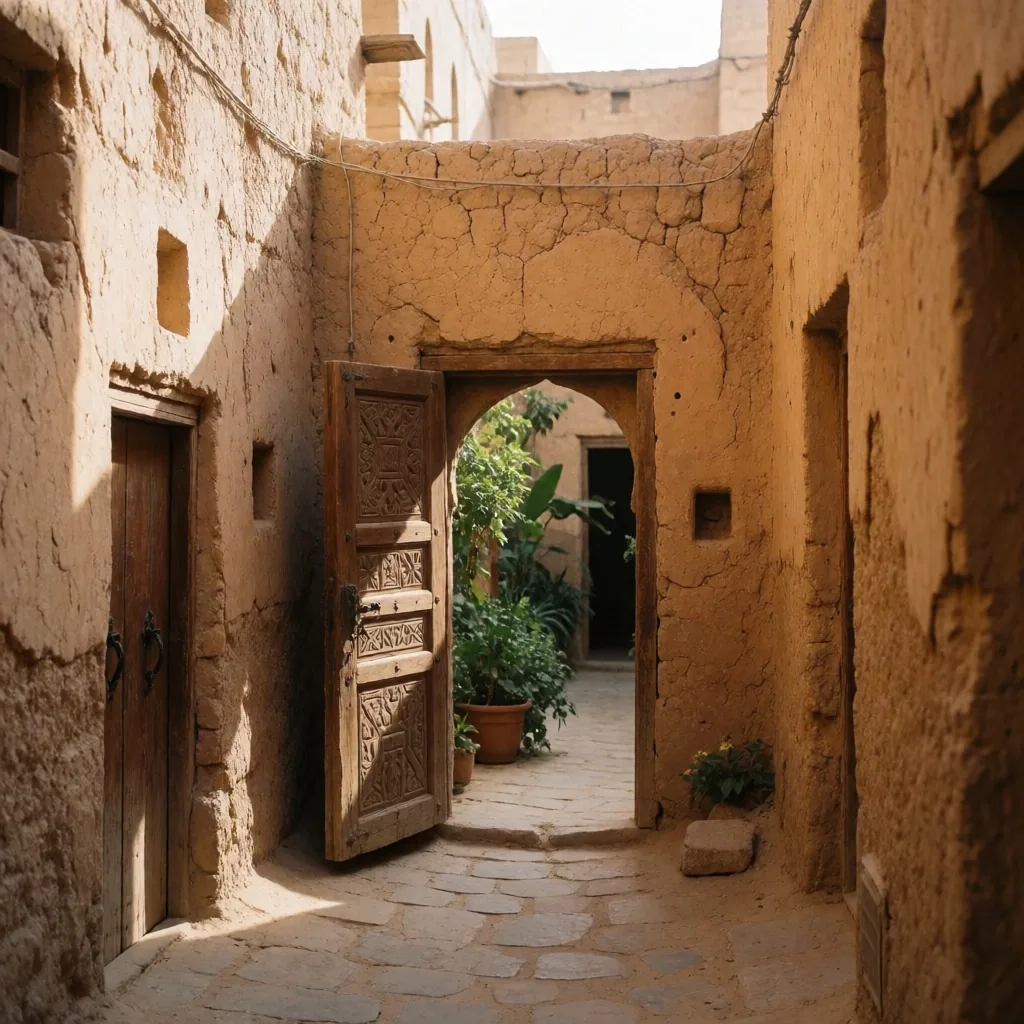
The historic center of the oasis is a maze of crumbling walls and secret gardens. Walking through these ruins offers a glimpse into a way of life that has remained unchanged for generations.
We guide you through the remnants of the ancient marketplace and the small gathering places that dot the landscape. The old market was once a node on the caravan route — you can still see the stone posts where merchants tied their camels, worn smooth at the base by years of rope friction.
These travel guides for Egypt help you find the quiet corners where you can sit and observe the slow rhythm of oasis life. Bring water, wear strong shoes, and walk in the early morning when the light is soft and the walls throw long blue shadows across the alleys.
The Old Town Labyrinth
Photography Tips for High Contrast
Capturing the beauty of the Emerald Oasis requires an understanding of the intense desert light. The contrast between the bright white sands and the deep green foliage can be challenging for even experienced photographers.
We suggest shooting during the golden hours of sunrise and sunset when the shadows are long and the colors are saturated. Midday light in the oasis is harsh and flat — the greens go muddy and the sand blows out to white. Wait for the sun to drop, and the valley transforms completely.
Our travel guides provide specific locations for getting the best panoramic views of the entire valley from the surrounding cliffs. The western ridge is the strongest vantage point — a thirty-minute climb that opens onto a full view of the green basin cupped inside the dunes.
Golden Hour
Shoot 30 minutes before sunset or after sunrise. Expose for the sand highlights and let the shadows fall deep.
Night Sky
Use a wide lens at f/2.8 or faster, 15-25 second exposure at ISO 3200-6400. A sturdy tripod is essential on the sand.
Contrast Control
Underexpose by one stop to protect the sand detail, then lift shadows in post. Bracketing helps in the deepest groves.
Best Vantage
The western ridge, a 30-minute climb from the village edge, offers the full valley panorama at sunset.
Take the Oasis With You
The Emerald Oasis is a place that rewards preparation and patience. Whether you are drawn by the thermal springs, the starlit skies, or the slow rhythm of the old town, the valley will give back what you put into reaching it.
Continue through our travel blog for more field guides, or gather what you need before the road turns west.
Travel Guides Egypt — field editorial
Sands of Eternity — Silent Peaks — Azure Coast
Zamalek, Cairo Governorate
Mon–Fri 9:00–18:00