
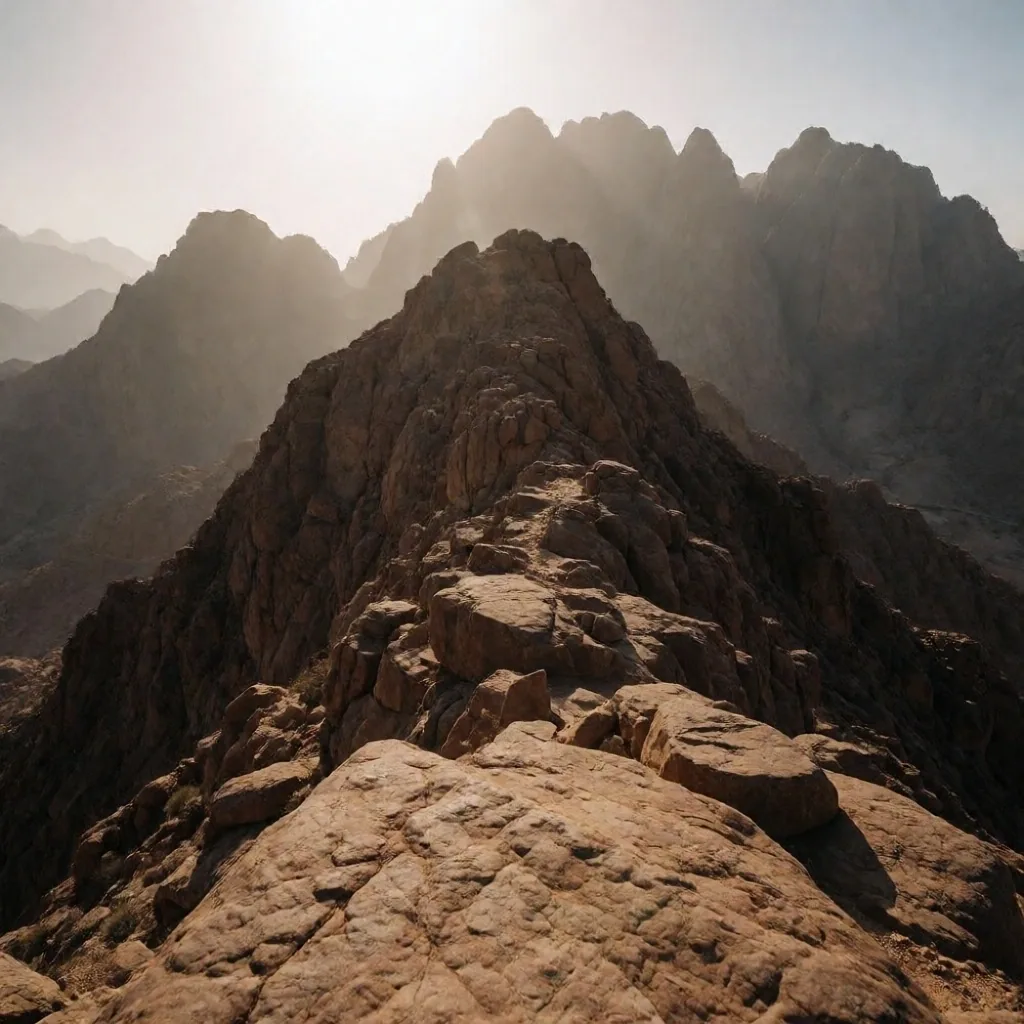
A vertical escape into the southern highlands — where granite, thin air, and centuries of silence define travel into Egypt's highest ground.
For those who find the desert plains too stifling, the Silent Peaks offer a vertical escape. Located in the rugged southern highlands, these granite mountains represent a different side of travel into Egypt — one defined by endurance, thin air, and panoramic views that stretch across the Red Sea to the horizon. Our travel guides for Egypt focus on the trekking routes and spiritual history of these peaks, which have served as retreats for hermits and pilgrims for centuries.
This travel blog is for the hiker, the climber, and the seeker who wants to discover Egypt from its highest points.
The stone that pushed itself toward the sky
The Silent Peaks belong to a massive crystalline basement complex — some of the oldest exposed rock in the region. The deep red and purple hues of the granite come from iron-rich minerals that crystallized under immense pressure deep within the earth, then were thrust upward over geological time through tectonic forces that no longer operate with the same violence.
The jagged valleys known as wadis were carved not by steady rivers but by episodic flash-flood events — rare, violent surges of water that tore channels through fractured stone over thousands of years. Understanding the rock is the first step in respecting the difficulty of the climb. The granite here is solid but unforgiving: it does not cushion a fall, and its slick surfaces become treacherous when wet.
- ▸Red-purple hematite staining on exposed granite faces, most vivid at first light
- ▸Jointing patterns — vertical fractures that create the cliff architecture and climbing routes
- ▸Alluvial deposits in wadi floors, evidence of historical flood events
- ▸Wind-polished surfaces on ridge crests, smoother than valley stone
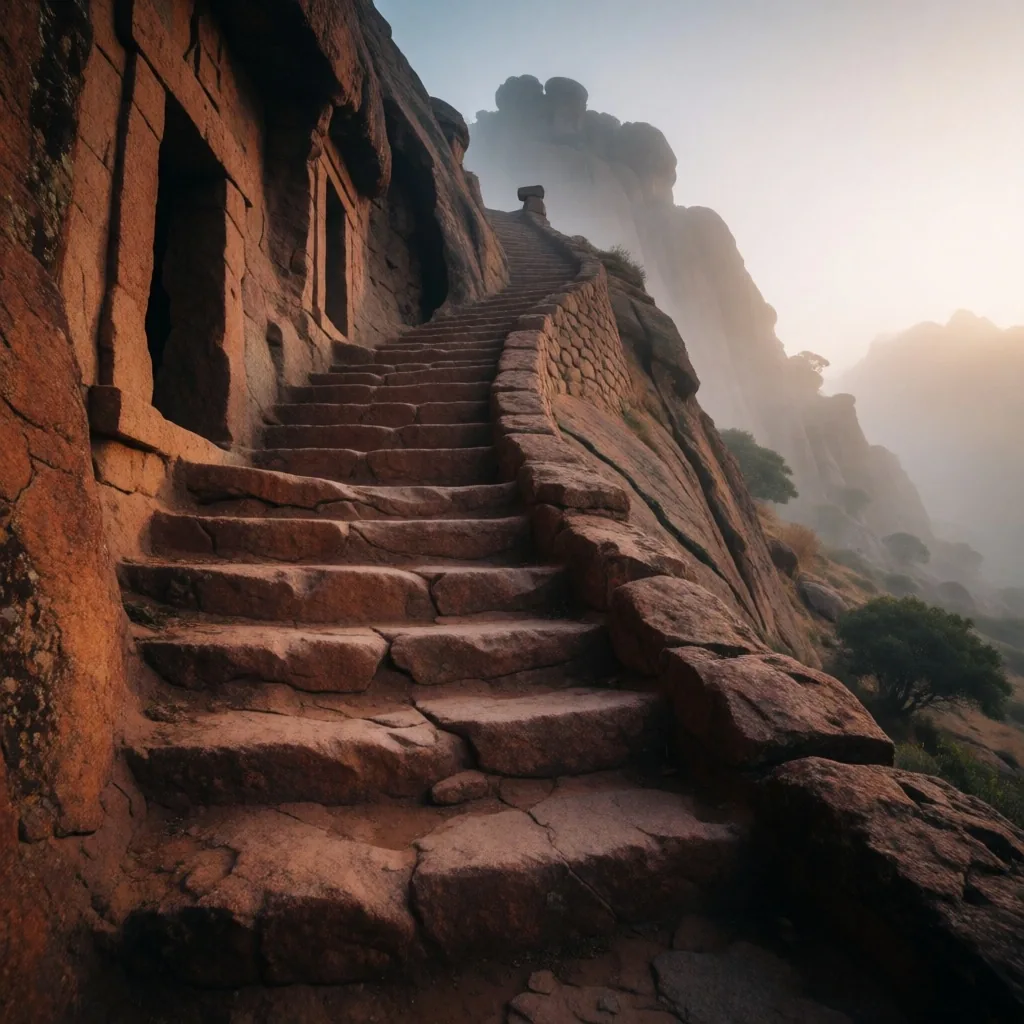
Thousands of hand-carved steps to the summit
The most famous route in the Silent Peaks follows an ancient trail used by those seeking spiritual enlightenment. This path consists of thousands of hand-carved stone steps that wind their way to the summit — each one cut by hand from the living granite over generations of patient labor by communities that considered the climb itself a form of devotion.
Our Egyptian travel guides provide a breakdown of the difficulty levels and the best times to start your ascent to catch the sunrise from the top. Begin in the final hour of darkness, with a headlamp, and time your arrival for first light — the granite turns from black to deep red to burning orange within minutes.
Granite does not forgive
Hiking in the Silent Peaks is not the same as walking on the desert floor. You need boots with excellent grip, trekking poles for the steep descents, and clothing that can handle rapid temperature shifts — from scorching sun on the lower steps to near-freezing wind on the summit ridge within the same morning.
This travel into Egypt advice is crucial for preventing injuries on the unforgiving granite trails. Prioritize quality over quantity — a single well-made pair of boots will carry you further than three pieces of gear that fail at altitude.
For the full mountain kit breakdown, including nutrition and first-aid specifics, see our Travel Essentials guide.
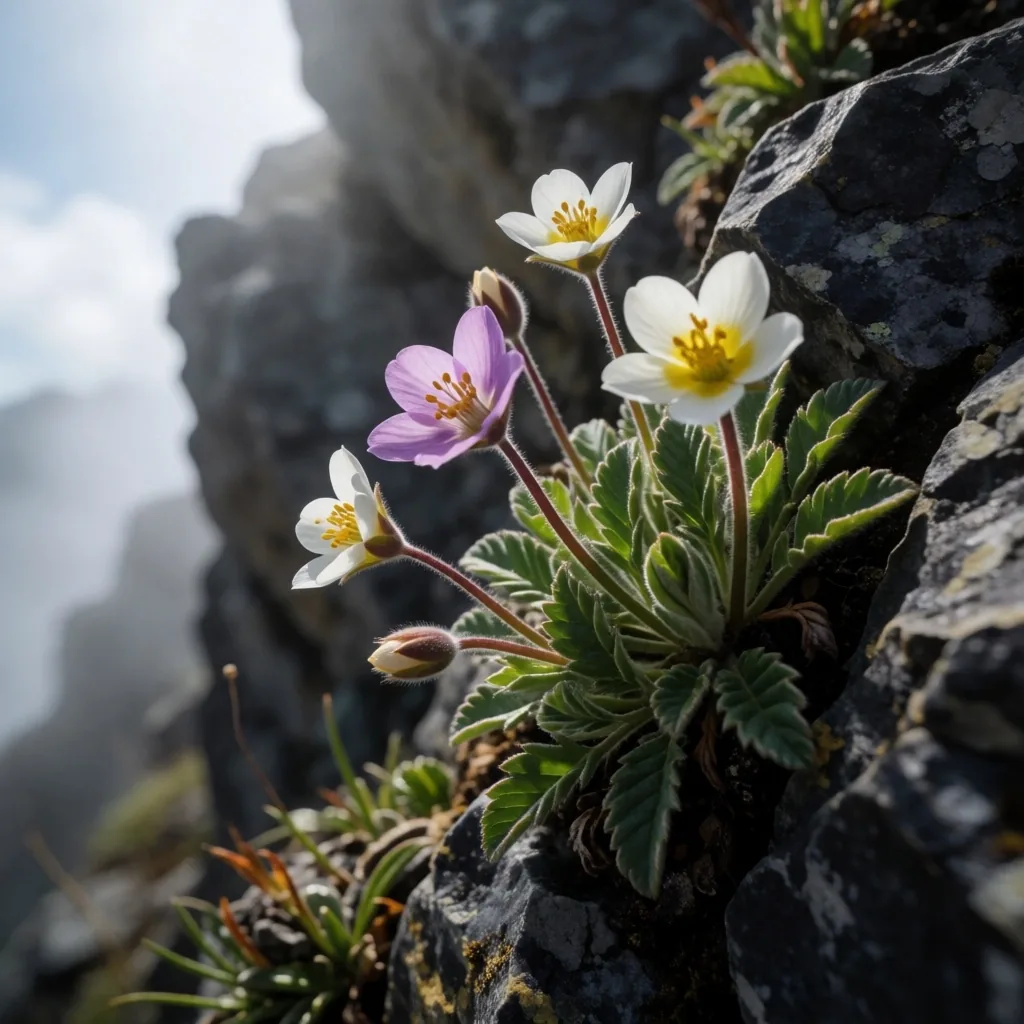 Highland flora · Spring line
Life holds on in thin air
Despite the harsh conditions, the Silent Peaks are home to a surprising variety of life. High-altitude springs support small gardens of medicinal herbs and rare wildflowers that exist nowhere else. You might also spot the Nubian ibex leaping across the crags — sure-footed and wild, they are the true residents of these heights.
This travel blog highlights the importance of staying on marked trails to protect this fragile mountain ecosystem. To discover Egypt's heights is to witness nature's tenacity — and to carry the responsibility of not disturbing it.
Life in the shadows between peaks
Between the peaks lie the wadis — seasonal riverbeds that serve as the main arteries for travel through the mountains. These valleys are often home to nomadic settlements where you can find water and shade under acacia canopy.
This travel blog teaches you to read the landscape for both beauty and safety. Wadis flash-flood during rare rain events — a wall of water can arrive from a storm you never saw, miles away. If the rocks are wet, the ground is new, or debris lines sit high on the walls, get to higher ground.
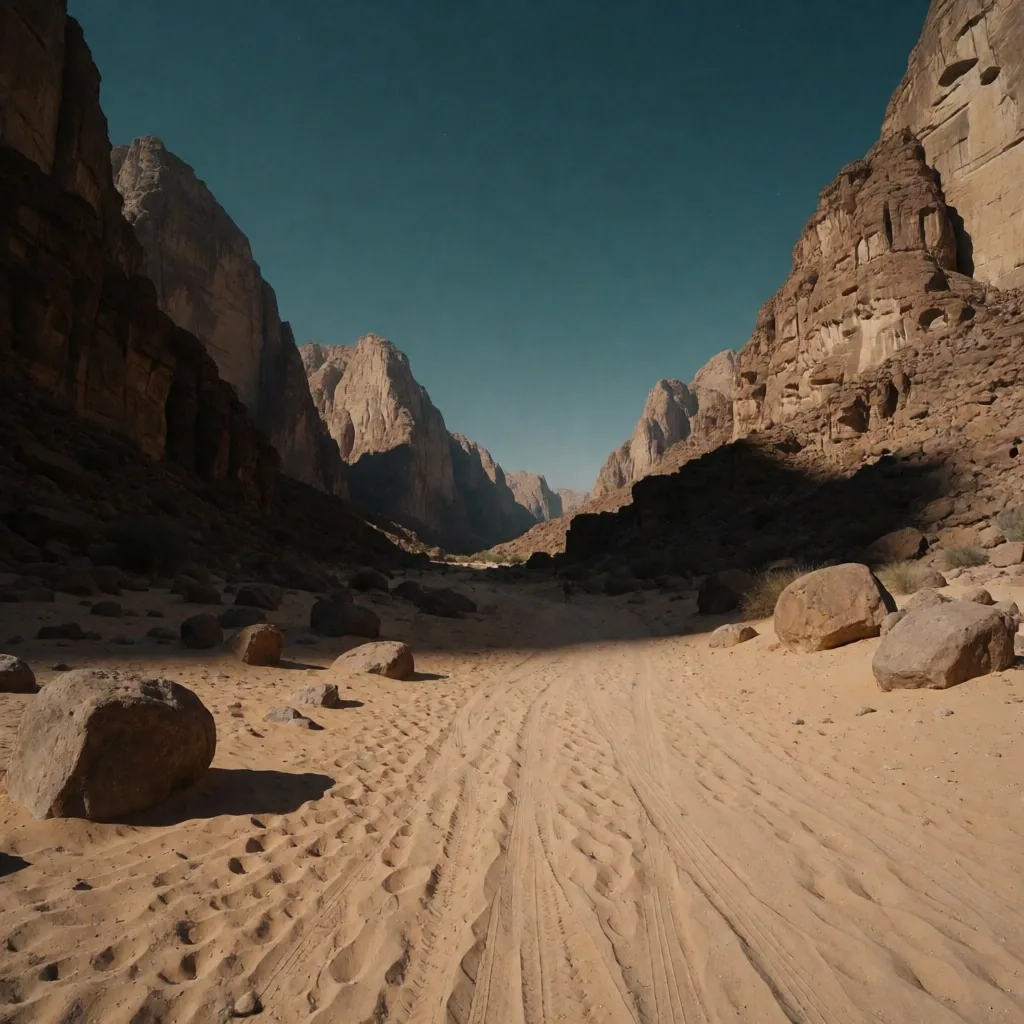 Wadi floor · Valley artery
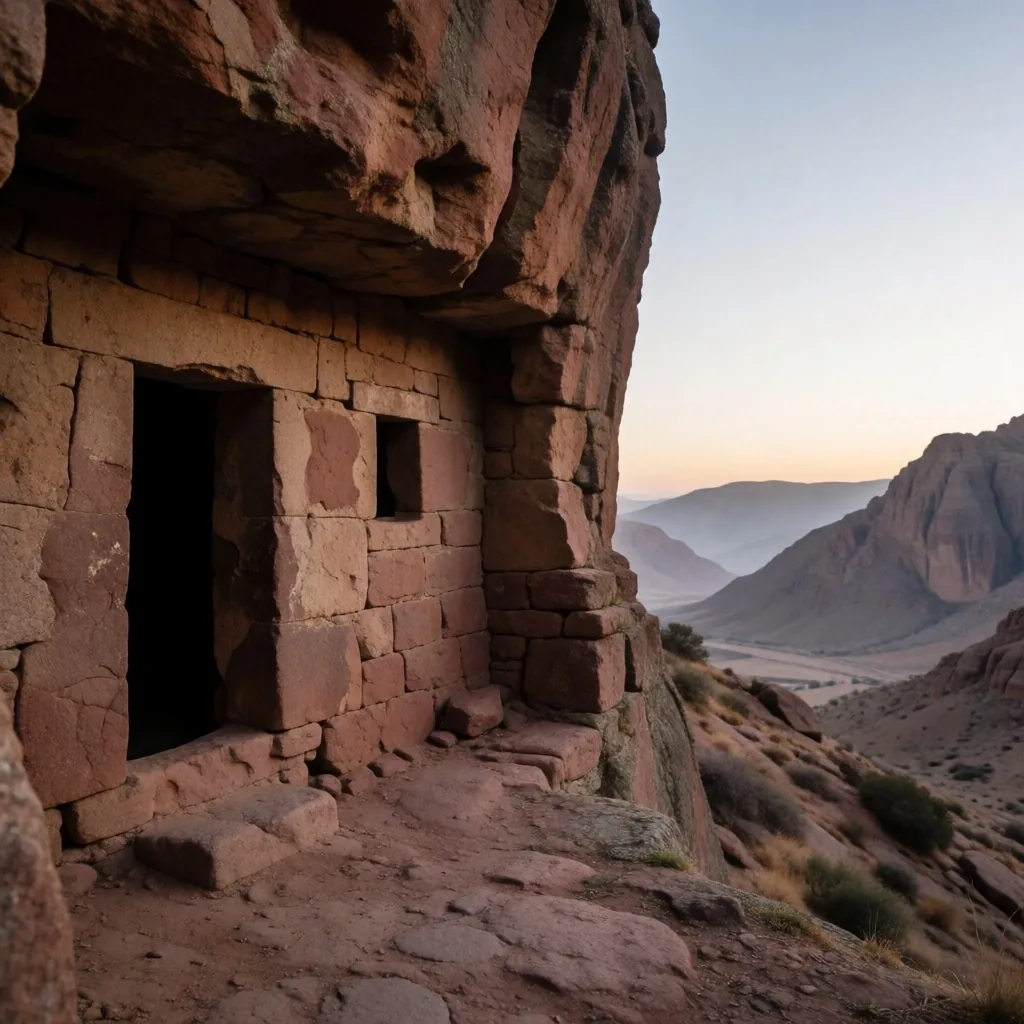
Stone cells and the architecture of silence
The Silent Peaks have long been a sanctuary for those looking to withdraw from the world. We explore the history of the small stone cells and mountain monasteries tucked into the cliffs — hollowed out of the rock itself, low and narrow, built for a single person to sit, pray, and endure.
These sites offer a glimpse into a life of simplicity and contemplation that has continued here for centuries. Our Egyptian travel guides discuss the etiquette for approaching these active religious sites — speak in low voices, do not enter cells without invitation, and ensure that the silence of the peaks remains undisturbed.
The cold that makes the sky clear
The elevation and clean air of the Silent Peaks provide a window into the universe that is unparalleled in the lowlands. Many hikers choose to spend a night on the mountain to witness the celestial display — the Milky Way sits close enough to touch when you are above the dust and light scatter of the valleys.
We provide tips on how to prepare for a mountain bivouac, including the necessary gear to stay warm in sub-zero temperatures. Our travel guides for Egypt ensure you are ready for the cold reality of the desert night — because the same altitude that gives you stars also strips warmth from your body faster than you expect.
Managing the mountain light
The views from the summits of the Silent Peaks are some of the most dramatic anywhere — the contrast between the dark mountains and the distant blue sea creates a sense of immense scale that is hard to capture.
Harsh mountain light is the main challenge. Shoot at dawn and dusk when the granite glows. A wide-angle lens handles the sprawling vistas, but a telephoto compresses the layered ridges into stacked planes of color and shadow. This section of our travel blog helps you bring home proof of your high-altitude achievements.
Technical routes on solid granite
For the more adventurous, the Silent Peaks offer technical climbing opportunities on solid granite walls. The rock here is dense and predictable — it holds protection well and the routes are long, sustained, and committing.
We recommend hiring local guides who know the specific routes and rock quality. Our travel guides for Egypt provide contact information for reputable mountain collectives that prioritize safety and local knowledge over volume.
Whether you are a boulderer or a traditional climber, these peaks have something to offer — provided you respect the grade and the commitment the stone demands.
Let your lungs catch up
While not as high as the Himalayas, the Silent Peaks still require a level of physical fitness and awareness of altitude. The air thins enough at the upper ridges to slow your pace, dry your mouth, and sharpen the consequences of any mistake.
We suggest spending a day or two in the mountain foothills to acclimatize before attempting the highest summits. Walk the lower wadis. Sleep at elevation. Let your body adjust to the thinner air before you commit to the full ascent.
This final section of our guide ensures that your heart and lungs are as ready as your spirit for the challenge of the Silent Peaks.
The peaks are waiting
Connect with local mountain collectives who know the granite, the weather, and the silence. Our travel guides for Egypt point you toward guides who prioritize safety and regional knowledge.